


When sourcing a coffee powder food‑grade mixer for your production line, the price is often the first question that comes to mind. However, the answer isn't as straightforward as a single number. Prices for these essential machines can range from a few hundred dollars for a small lab‑scale unit to over $20,000 for a large‑capacity industrial blender. This article breaks down the factors that influence the cost, giving you a clear picture of what to expect and how to make a wise investment for your business.
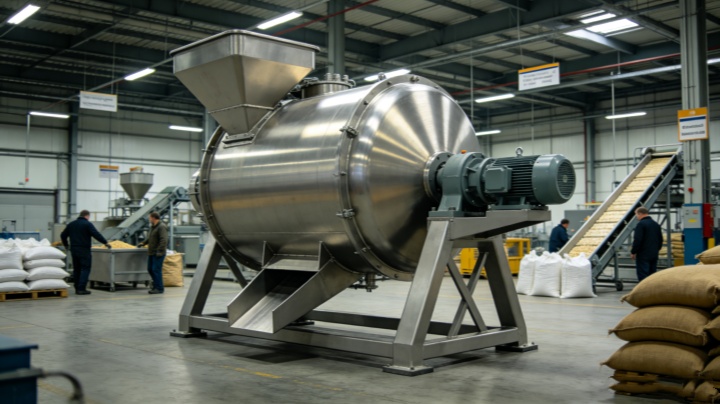
To give you a general idea, here is a snapshot of the price ranges for different types and sizes of coffee powder mixers based on current market data:
| Mixer Type / Model | Capacity / Volume | Approximate Price Range (USD) |
| Small Drum Mixer (e.g., GD-60) | 60L / 35kg/h | $529 - $629 |
| Food‑Grade Paddle Mixer (e.g., PerMix PTP) | Various | Custom Quote Required |
| Industrial Plough Mixer (e.g., TDP‑1500) | 1500L | ~$20,000 |
| Large Double Cone Mixer (e.g., EYH Series) | 1000L - 5000L | $3,500 - $26,500 |
Please note: These are general market prices for reference. For an accurate, up‑to‑date quote, please contact our sales team with your specific requirements.
Several variables cause the price of a coffee powder food‑grade mixer to vary. Understanding these will help you determine which machine offers the best value for your specific needs.
Different mixing applications require different designs. The complexity and engineering behind each type directly impact its cost.
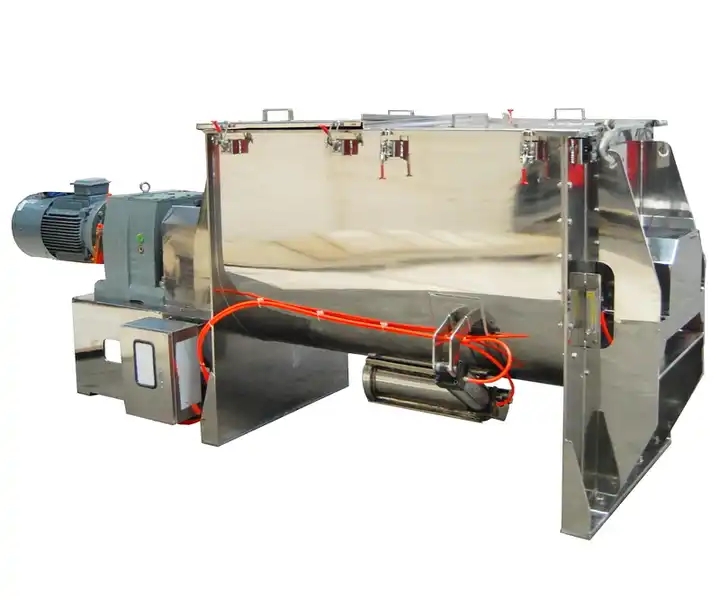
Plough Shear Mixers: These are high‑performance machines designed for intensive mixing. They use plough‑shaped tools that rotate at high speed to create a fluidized bed of powder, ensuring extremely uniform blends. A model like the TDP‑1500 (1500L) can be priced around $20,000 due to its robust construction and efficiency .
Paddle Mixers: Known for their versatility, paddle mixers, such as those from the PerMix PTP series, can be customized with features like choppers to break up lumps. Their price is highly variable and depends on the level of customization .
Double Cone and V‑Shape Mixers: These are classic, reliable designs for gentle, free‑flowing powders. They are often a more budget‑friendly option, with prices ranging from $3,500 to $26,500 depending on the capacity (1000L to 5000L) .
Small Drum/Oscillating Mixers: Ideal for small‑scale production or laboratories, these are the most affordable option. For instance, a 60L drum mixer can cost between $529 and $629 .
This is one of the most straightforward factors. A larger machine that can process more coffee powder per batch will naturally cost more. The price scales significantly with the volume of the mixing chamber, from small 50L units to massive 3000L+ industrial systems #1.
For food‑grade applications, Stainless Steel is the standard. However, the specific grade matters.
SUS304: This is the most common grade for food processing, offering good corrosion resistance and durability.
SUS316 / SUS316L: These offer superior corrosion resistance, especially against chemicals and salt, making them a premium option that can increase the cost . Suppliers like PerMix also offer other specialized metals like Titanium or Hastelloy for specific applications .
The "extras" you add to a mixer can substantially influence the final price.
Brand of Motors and Drives: Using premium brands like ABB, Siemens, or Teco will increase the initial cost but often leads to better reliability and energy efficiency in the long run.
Custom Features: Many mixers can be customized for specific production needs. Options like vacuum drying capabilities, heating/cooling jackets (for temperature‑sensitive processes), and integrated liquid spray nozzles add to the cost . A fully customized solution from a provider like PerMix will be priced accordingly .
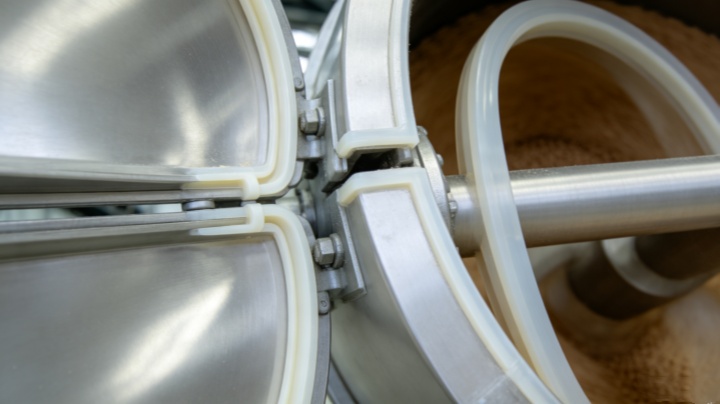
When evaluating the price of a coffee powder food‑grade mixer, it's crucial to see it as an investment rather than just a cost. The cheapest machine may not be the most economical if it has lower mixing efficiency, higher maintenance, or a shorter lifespan.
Consider these questions to determine the best value for your business:
What is your required batch size?
What type of coffee product are you mixing (e.g., instant coffee, ground coffee blends)?
Do you need any special features like heating, cooling, or liquid injection?
How important are factors like energy efficiency and ease of cleaning?
By clearly defining your needs, you can work with a supplier to find the perfect balance between features, quality, and price. For a detailed quote on a coffee powder food‑grade mixer that fits your exact requirements, please contact our team today.


Address:China,Yanjin county forest park gate to the west 1000 meters north road.


 Online Chat
  Email
Email