


In modern animal nutrition, amino acid premix is the cornerstone of balanced feed formulation. The precise blending of essential amino acids such as lysine, methionine, threonine, and tryptophan with carriers and other micro‑ingredients directly impacts feed conversion ratios, animal growth performance, and ultimately, your profitability. However, achieving a uniform distribution of these critical nutrients—often included at rates as low as 1 kg per metric ton of feed—requires specialized mixing equipment.
Choosing the wrong feed mixer for amino acid premix production can lead to uneven nutrient distribution, feed carryover between batches, and costly production inefficiencies. This guide walks you through the key factors to consider when selecting the right amino acid premix feed mixer for your feed mill operation.
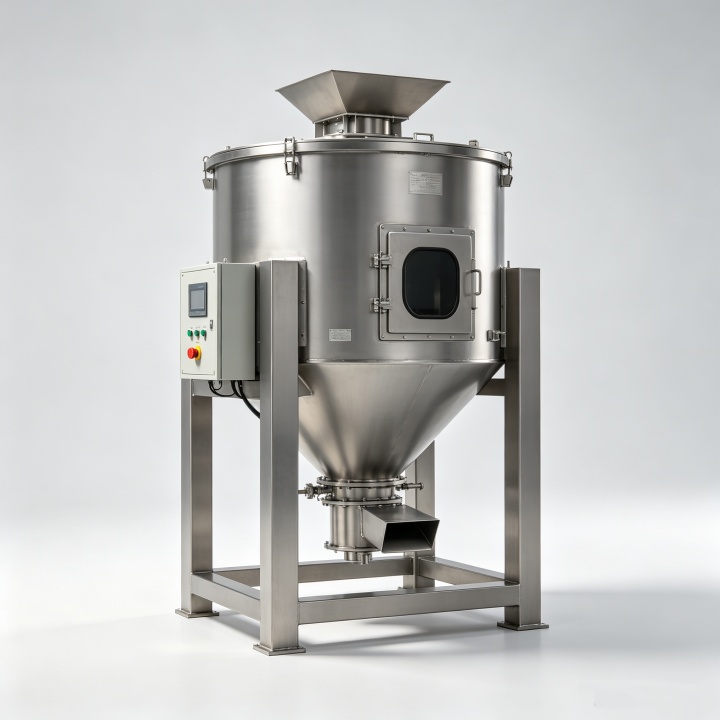
Amino acid premix is a complex blend of functional additives—including vitamins, trace minerals, enzymes, and amino acids—combined with carriers like cornmeal or bran. These ingredients exhibit varying particle sizes, densities, and flow characteristics. When improperly mixed, heavier particles tend to settle, while lighter particles may float, creating stratification and nutrient segregation during discharge.
Industry standards require a mixing uniformity coefficient of variation (CV) of 5% or less for commercial feed production, with advanced operations targeting below 5% to ensure nutrient stability across every batch. For amino acid premix, achieving this level of homogeneity is especially challenging because:
Amino acids are typically low‑inclusion ingredients (0.1‑0.3% of final feed)
Variations in amino acid concentration directly affect flock or herd uniformity
Amino acid particle size and density often differ significantly from carrier materials
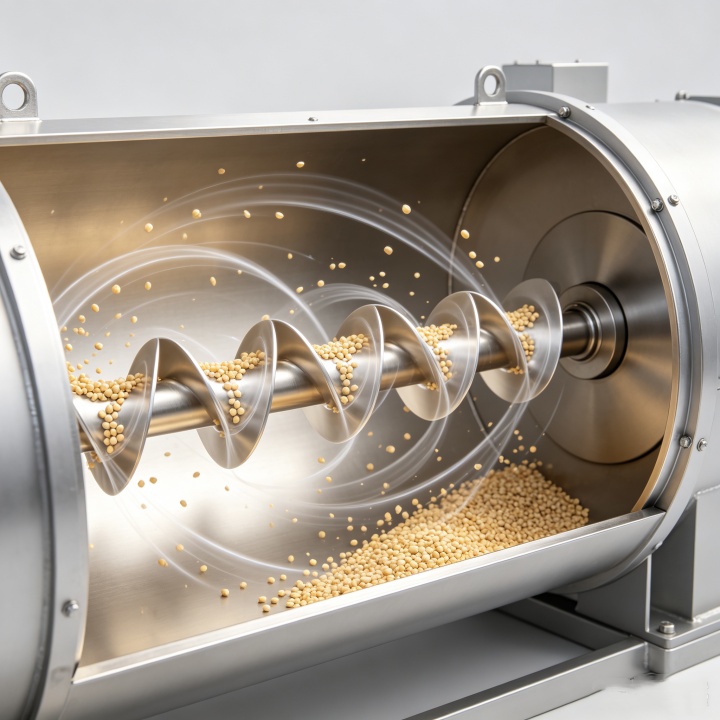
Mixer Type: Horizontal vs. Vertical
The choice between horizontal and vertical mixers is perhaps the most critical decision.
Horizontal mixers are strongly recommended for amino acid premix production for several reasons:
Superior mixing uniformity: Horizontal designs achieve more consistent nutrient distribution, essential for low‑inclusion ingredients
Lower minimum inclusion capability: Horizontal mixers can effectively blend ingredients at levels as low as 1 kg/MT, while vertical mixers typically have a minimum of 3 kg/MT
Minimal feed carryover: Horizontal mixers feature bottom trap doors ensuring complete discharge, preventing cross‑contamination between batches—critical when switching between species or formulations with different amino acid profiles
Vertical mixers, while more affordable and space‑efficient, are generally unsuitable for amino acid premix operations due to poorer uniformity and unavoidable residue that can lead to cross‑contamination.
Mixing Mechanism: Ribbon vs. Paddle vs. Twin‑Shaft
Within the horizontal category, three main configurations exist:
| Mixer Type | Mixing Action | Best Application |
| Ribbon Mixer | Outer ribbons move material one direction, inner ribbons push opposite; creates shearing and blending action | Premix blending; amino acid mixing with carriers |
| Paddle Mixer | Paddles create shearing and lifting movement | Blending abrasive ingredients or formulations with high liquid additions |
| Twin‑Shaft Mixer | Two counter‑rotating shafts; fastest mixing cycles | High‑volume commercial operations requiring 30‑60 second mix times |
For amino acid premix, double ribbon mixers or twin‑shaft paddle mixers in stainless steel construction are widely recommended. The stainless steel build offers corrosion resistance—critical when handling amino acids and other reactive micro‑ingredients—and ensures excellent sealing performance.
Mixing Time and Efficiency
Mixing cycle time directly impacts production throughput. Key considerations include:
Vertical mixers historically required up to 20 minutes per batch
Single‑shaft horizontal mixers typically achieve complete mixing in 4 minutes
Twin‑shaft horizontal mixers can achieve homogeneity in as little as 30‑60 seconds
For amino acid premix operations where batch changeovers are frequent, shorter mix times translate to higher productivity and reduced labor costs.
Capacity Requirements
Mixer capacity must be determined by cubic volume, not weight alone. A standard horizontal mixer designed for 40‑50 lb/ft³ density material may not handle mineral‑heavy premixes (which are denser) without specifying heavier‑duty construction.
When selecting capacity, consider:
Current production demand: Calculate daily feed requirement and batch cycle frequency
Future expansion: Choosing larger capacity than currently needed may support business growth
Loading coefficient: Most mixers operate optimally at 40‑60% of total volume—critical for achieving homogeneity without overloading
Material of Construction
For amino acid premix, food‑grade stainless steel (SS304) construction for all product‑contact surfaces is essential. This ensures:
Corrosion resistance against reactive amino acids
Easy cleaning between batches to prevent cross‑contamination
Compliance with international food safety standards (HACCP, GMP)
Elimination of crevices where powder can accumulate
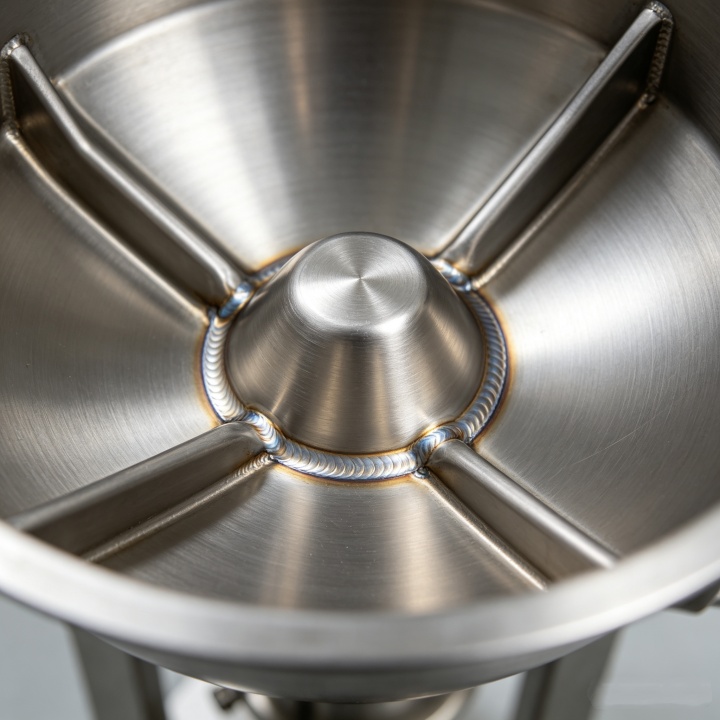
Liquid Spraying Capability
Some amino acid premix formulations require the addition of oils or liquid ingredients. Selecting a mixer with optional liquid spraying system allows:
Spray‑coating amino acids with protective oils
Even distribution of liquid binders
Production of specialized formulations without additional equipment
Automation and Control Systems
Modern amino acid premix production benefits from automated batching and mixing systems:
PLC control with touchscreen interface ensures recipe consistency
Precision electronic scales accurate to 0.01 grams for micro‑ingredient measurement
Load cell feedback loops and automated batching sequences maintain dosing deviation below 0.5%
Data logging enables traceability and quality control documentation
Mistake 1: Selecting Vertical Mixer to Save Cost
While vertical mixers are cheaper, the cost savings are quickly offset by:
Poor mixing uniformity (CV typically higher than horizontal units)
Inability to handle low‑inclusion premixes (minimum 3 kg/MT vs. 1 kg/MT for horizontal)
Carryover issues leading to cross‑contamination—particularly problematic when switching between amino acid formulations for different species
Mistake 2: Overlooking Discharge Mechanism
Choose a mixer with complete discharge capability. Horizontal mixers with bottom trap doors prevent residue accumulation that can:
Contaminate subsequent batches (especially critical with amino acid premix used across species with different tolerance levels)
Cause nutrient stratification as the first material through discharge tends to be finer particles, while coarser materials discharge last
Mistake 3: Ignoring Ingredient Addition Order
For optimal amino acid premix mixing, ingredients should be introduced in the following order:
Carriers (cornmeal, bran)
Major ingredients (protein meals, minerals)
Minor ingredients and low‑inclusion ingredients (amino acids, vitamins, enzymes)
Mixing should continue until homogeneity is achieved before liquids (if any) are added.
When selecting an amino acid premix feed mixer, verify the supplier provides:
CE certification for machinery safety standards
ISO 9001 quality management system
Documentation package including Certificate of Analysis (COA), Certificate of Origin (COO), Material Safety Data Sheet (MSDS), and Technical Data Sheet (TDS)
Warranty—ideally 12 months or more
Traceability to original manufacturer with full compliance documentation
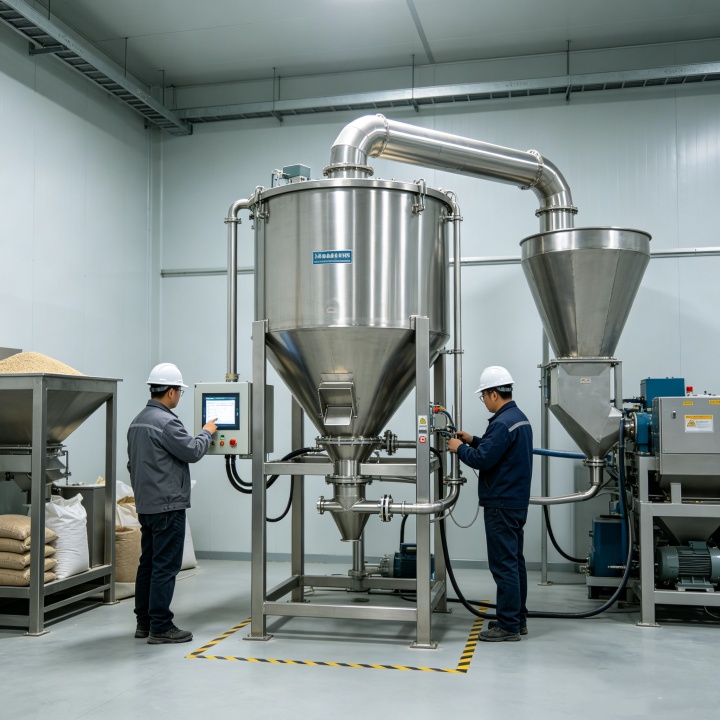
Selecting the right amino acid premix feed mixer is an investment in product quality, operational efficiency, and business growth. For amino acid premix production, stainless steel horizontal mixers (ribbon or twin‑shaft paddle design) with complete discharge capability, precise control systems, and appropriate capacity deliver the mixing uniformity—CV ≤ 5%—required for consistent animal nutrition.
Partner with a reputable supplier that offers:
Transparent consultation before purchase
Sample testing for your specific materials
Technical support throughout the equipment lifecycle
Comprehensive documentation for regulatory compliance
Investing in the right equipment now will ensure your feed mill consistently produces high‑quality amino acid premix that drives optimal animal performance—and returns on your investment.


Address:China,Yanjin county forest park gate to the west 1000 meters north road.


 Online Chat
  Email
Email