Your location is: Home > News Center > Rubber and Plastic Thermal Mixer Price Analysis: From Thousands to Hundreds of Thousands of Dollars – Where Does the Difference Lie?

Rubber and Plastic Thermal Mixer Price Analysis: From Thousands to Hundreds of Thousands of Dollars – Where Does the Difference Lie?

If you are sourcing a rubber and plastic thermal mixer for your production line, you have likely noticed a striking price range

Some models are listed for a few thousand dollars, while industrial‑scale systems can exceed $200,000. This vast disparity often leaves buyers wondering: what exactly drives these cost differences, and how can you ensure you are making the right investment for your specific needs?

This article provides a comprehensive breakdown of the factors influencing rubber and plastic thermal mixer pricing. By understanding the key variables, you can better evaluate options and budget effectively for your application.
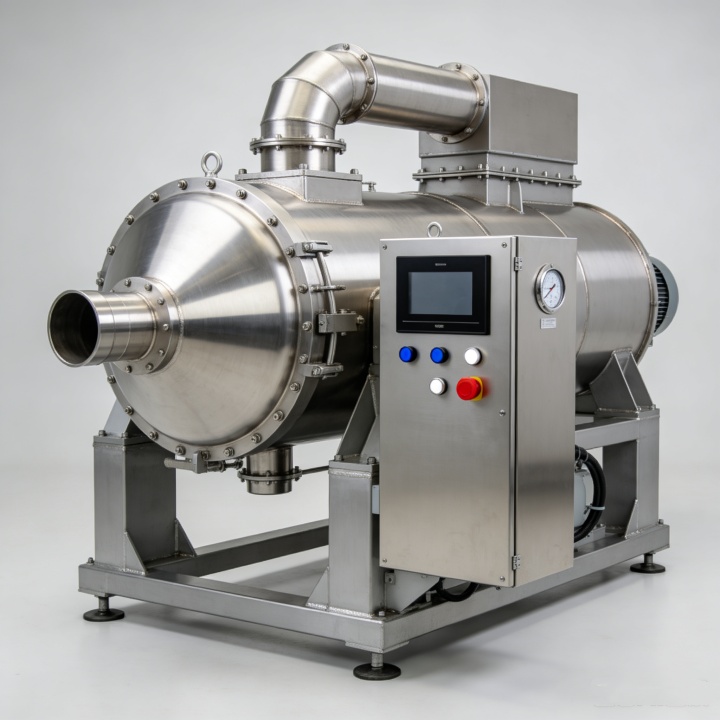
Industrial rubber and plastic thermal mixer machine with stainless steel chamber and control panel

The Starting Point: Wide Variation Is Normal

Industrial mixing equipment does not have a standard price tag. For rubber and plastic thermal mixers, the price spectrum can range from approximately $2,000 for small, laboratory‑scale units to over $235,000 for large‑capacity, continuous production machines.

For context:

  • Small laboratory kneaders or open mill mixers: roughly $2,000 – $9,000
  • Medium‑capacity internal mixers or Banbury‑type mixers: often $13,000 – $46,000
  • High‑capacity continuous mixers for large‑scale production: can reach $211,500 – $235,800

These figures are not exhaustive but illustrate the broad spectrum. The specific price for any given unit depends on a combination of factors, which we will explore below.

Key Factors Determining the Price of a Thermal Mixer

Capacity and Scale

Perhaps the single most important factor is the machine's capacity, typically measured in liters of working volume or kilograms of material processed per batch or per hour. As you would expect, a machine designed to process 50 kilograms of compound per batch will cost substantially less than a system capable of handling 2,000 kilograms per hour.

Pricing logic: A larger machine requires more raw materials (steel, alloys), a more powerful motor and drive system, and more sophisticated engineering to handle greater mechanical and thermal loads. This directly translates to a higher base cost.

Machine Type and Technology

The fundamental design of the mixer has a significant impact on its cost.

  • Open Two‑Roll Mills: These are often more affordable, with prices for standard models starting around $4,500. They are suitable for simpler mixing, plastication, and sheeting operations.
  • Internal Mixers (Batch Kneaders): These provide more intensive mixing and dispersion within a closed chamber, making them ideal for compounds like rubber and masterbatches. A laboratory internal mixer may cost around $8,000, while a large production model can be $32,000 or more.
  • Continuous Mixers: At the higher end of the spectrum, these advanced systems combine internal mixing with extrusion technology for uninterrupted, high‑volume production. Their sophisticated design and automation capabilities place them in the $200,000+ range

The choice of heating method also affects price—electric heating, steam heating, or oil circulation all have different implementation costs and operating efficiencies.
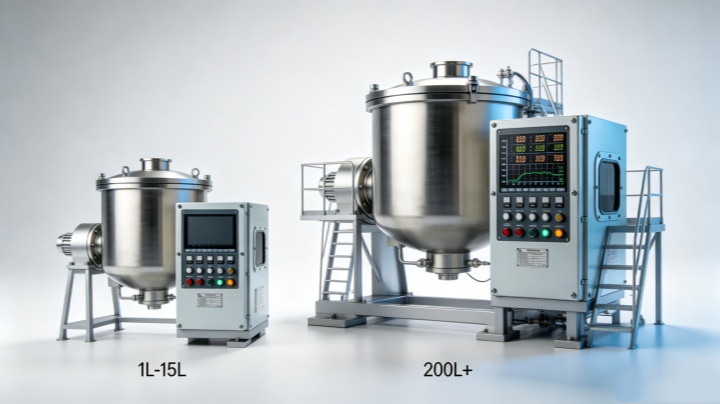
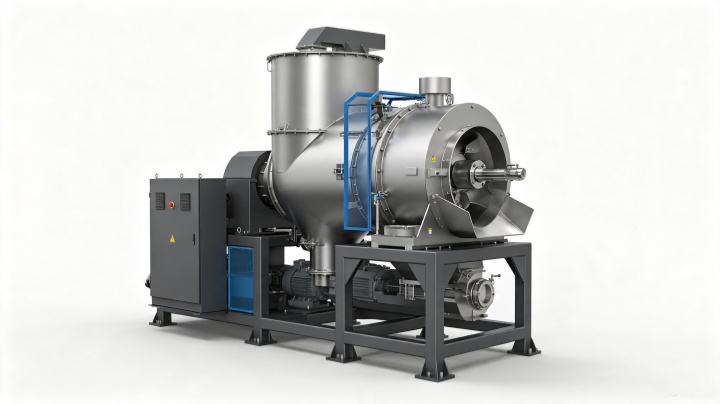
Small lab scale rubber mixer vs large industrial production thermal mixer size comparison

Material Quality and Construction

Durability and corrosion resistance are critical for equipment handling abrasive and chemically active materials. The materials used in construction directly influence both the price and the lifespan of the machine.

  • Stainless Steel: Preferred for applications requiring corrosion resistance, product purity, and hygiene, particularly in pharmaceutical or food‑related compounding. This is a more expensive option but offers superior longevity.
  • Carbon Steel with Coatings: Many industrial mixers use carbon steel for the main structure and apply hard chrome plating or wear‑resistant alloy welding to contact surfaces. This provides a cost‑effective balance of durability and performance for standard rubber and plastic processing.

Key Components: High‑quality bearings, heavy‑duty motors, and precision‑machined rotors all contribute to a higher price but ensure better reliability, reduced downtime, and a longer service life.

Level of Automation and Control

The sophistication of the control system is another major differentiator.

  • Basic Models: Usually feature manual or semi‑automatic controls, requiring more operator intervention to manage temperature, mixing time, and speed.
  • Advanced Systems: Modern thermal mixers are often equipped with PLC (Programmable Logic Controller) systems and touchscreen HMIs (Human‑Machine Interfaces). These allow for automatic temperature and time control, customizable recipe storage, and data logging for quality assurance. This level of automation significantly increases the upfront cost but improves consistency, reduces labor costs, and minimizes human error.

Brand, Certifications, and After‑Sales Support

Established brands with a proven track record often command a premium. This is typically justified by more rigorous quality control, comprehensive warranties, and better after‑sales service, including technical support and spare parts availability. Machines that come with international certifications such as CE or ISO 9001 may also be priced higher, reflecting the standards to which they are manufactured.

Conversely, smaller or newer manufacturers may offer competitive pricing, but it is essential to carefully evaluate their reliability, build quality, and support capabilities before making a purchase.
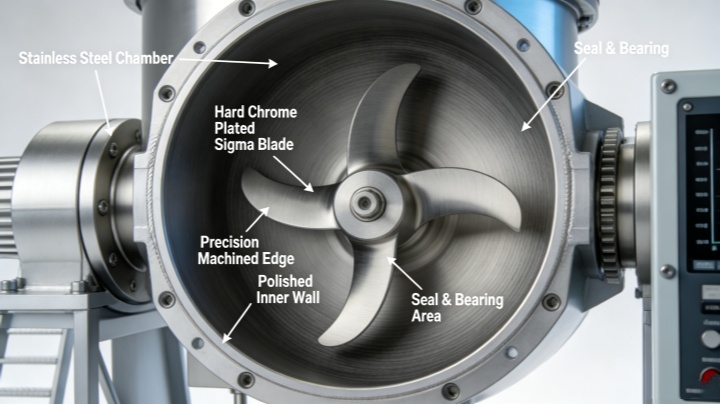
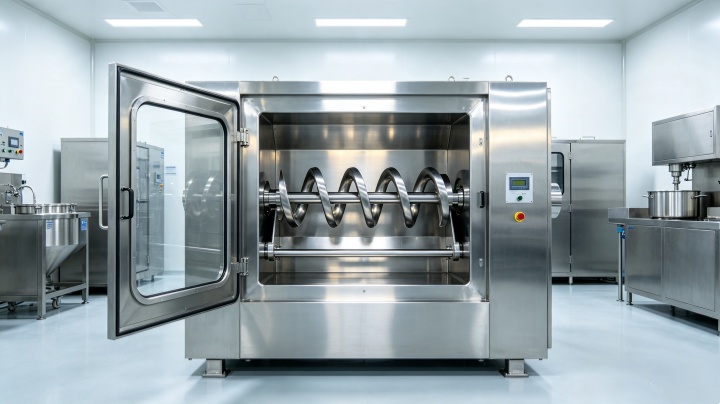
Stainless steel mixing chamber and sigma blades of rubber and plastic thermal mixer

How to Determine the Right Mixer for Your Budget

Navigating this broad price range requires a clear understanding of your production requirements.
  • Define Your Process: What is the typical batch size or hourly output you need? Which materials (e.g., silicone rubber, PVC, masterbatch) will you be processing?
  • Identify Critical Features: Is precise temperature control crucial for your materials? Do you need a high degree of automation to maintain consistency across shifts?
  • Assess Total Cost of Ownership: A cheaper machine may have higher operating costs, more frequent breakdowns, and shorter service life. Factor in energy consumption, maintenance, and potential downtime.
  • Get a Custom Quote: Because most industrial thermal mixers are customized to some degree, the most accurate price will always come directly from the manufacturer. Providing them with your specific capacity, material, and automation requirements will yield a more precise quotation.

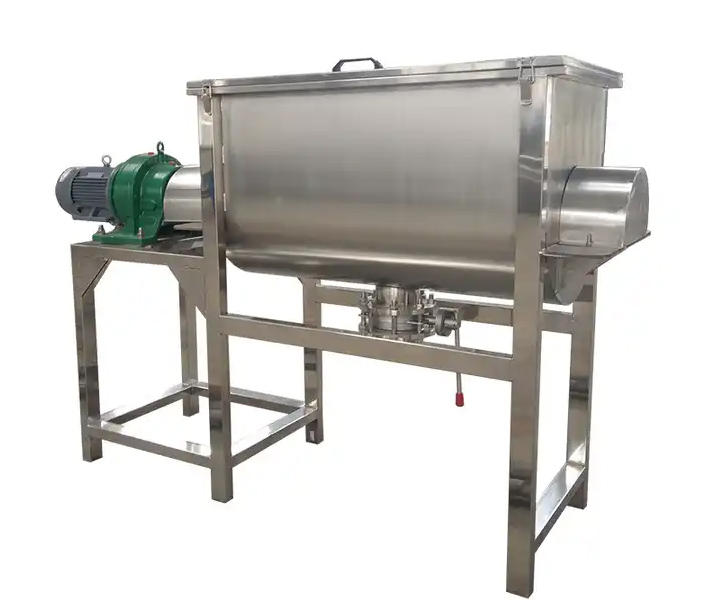
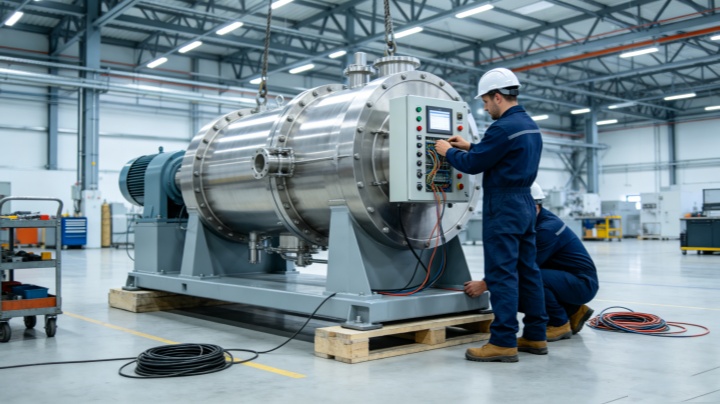
Rubber and plastic thermal mixer manufacturing facility and technical support team

Conclusion

The price of a rubber and plastic thermal mixer can range from a few thousand to hundreds of thousands of dollars, a difference driven by capacity, technology, construction materials, automation, and brand support. Cheaper lab units may start at under $10,000, while sophisticated continuous systems for high‑volume production exceed $200,000.

Understanding these key factors will help you identify a machine that not only fits your budget but also delivers the performance, reliability, and efficiency your production line requires.

Ready to find the ideal thermal mixer for your operation? Click the link below to explore our comprehensive product range and contact our team for a custom quote tailored to your specific needs.

Saturday August-29 2026  10:10:58
Resources
Contact Us

Whatsapp:+86 15236742901

Email:sale@xxdahan.com

Address:China,Yanjin county forest park gate to the west 1000 meters north road.