


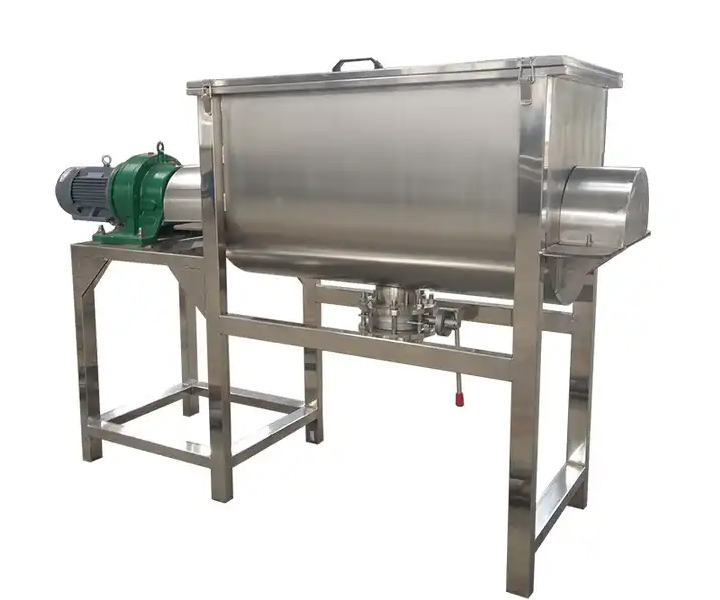
A proper Ribbon Mixer For Cattle And Sheep Feed supports multi-ingredient mixing workflows for fibrous forage, powdered feed, grease-based formulas and mineral additives. It is widely adopted in global cattle and sheep breeding farms and small-to-medium feed processing facilities.
Many operators encounter unstable mixing uniformity, interior residue accumulation, structural corrosion and inconvenient routine upkeep during equipment matching. Judging equipment solely by market pricing often leads to mismatched working conditions and continuous operational troubles.
Based on practical processing cases from European and Middle Eastern feed workshops, this article explains professional selection logic that fits global feed production standards and common breeding site scenarios.
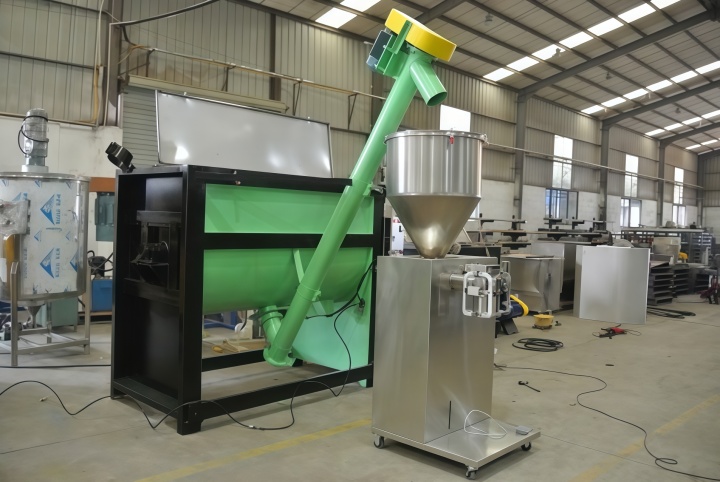
Raw material fiber content, moisture state and chemical properties largely define equipment adaptation effects. Different feed ingredients present different physical features, which require corresponding structural design support during mixing processing.
When selecting a suitable Ribbon Mixer for Cattle and Sheep Feed, operators need to sort out their regular feed formula composition. High-fiber hay materials easily attach to inner tank surfaces and form accumulated residue, so models with widened spiral gaps can improve material flowing status.
Formulas containing mineral salt additives may cause gradual surface corrosion, so 304 stainless steel contact structures are suitable for stable use. Formulas with grease components require enhanced sealing parts to reduce material leakage. Equipment with accessible internal cleaning structures helps control cross-batch contamination and residue deterioration.
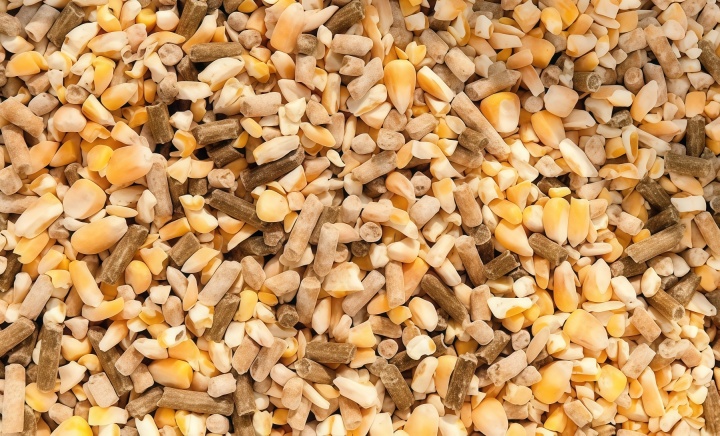
Unstable feed processing status usually comes from incorrect parameter recognition instead of equipment quality issues. The industrial recognized filling ratio for ribbon mixing equipment stays between 0.6 and 0.8, which serves as the basic reference for actual production arrangement.
Effective tank volume, rather than total outer volume, should be regarded as the core calculation standard for daily batch processing. Small breeding facilities adapt to 50kg to 500kg batch ranges, while medium-scale workshops fit 1-ton to 5-ton batch capacities.
The loose texture of ruminant forage makes traditional grain calculation methods inapplicable. Operators need to refer to effective volume data to match real daily processing demands and arrange production schedules reasonably.
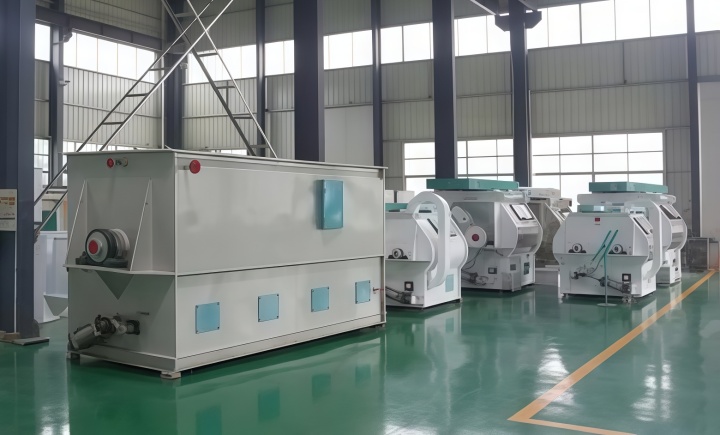
Internal smoothness and detachable structural designs simplify daily cleaning and routine maintenance. Main shaft seals and bearings belong to vulnerable components, and protective structural designs influence operational stability.
Simplified mechanical structures adapt to small and medium breeding sites without dedicated maintenance staff. Matched motor output avoids uneven mixing status and unnecessary power consumption.
Well-designed units keep post-discharge residues within reasonable ranges for consistent daily operation. Operators may inspect the assembly method of internal ribbon blades and discharge ports while checking equipment samples.
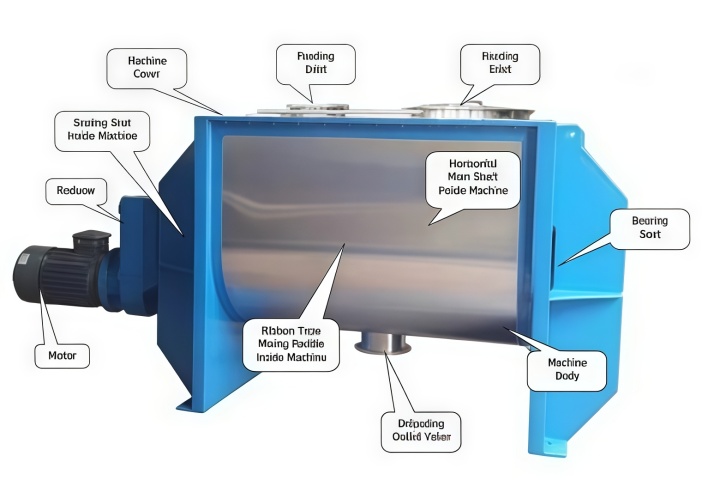
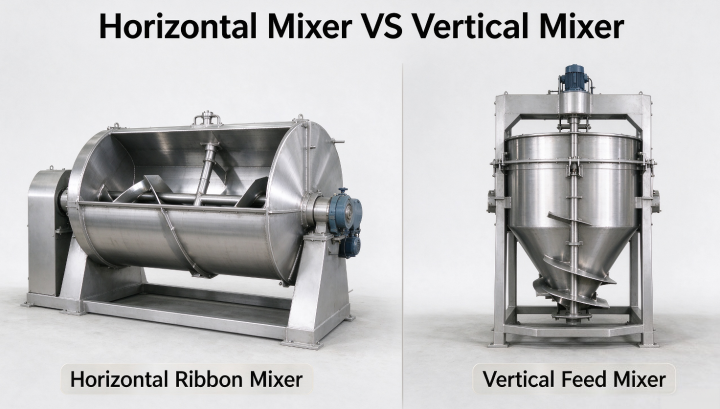
Horizontal mixing structures adapt to multi-ingredient fibrous ruminant feed, delivering stable mixing performance and controllable residual volume. Standard mixing cycles range from 6 to 10 minutes, suitable for continuous batch processing.
Vertical structures carry lower procurement costs but present structural limitations when handling long-fiber forage, often resulting in material tangling and uneven blending. Vertical units fit simple powder formulas, while horizontal configurations adapt to standardized compound feed production.
Operators can compare the two types of structures against their own feed types and workshop layout before finalizing a purchase plan.
Most operational mismatches derive from parameter misunderstanding instead of mechanical defects. Many buyers only refer to total tank volume without checking effective feeding capacity, leading to abnormal operating status.
Budget-limited selections often come with simplified structural accessories, bringing unstable working performance. Applying general powder mixers to fibrous and grease-containing feed causes inconsistent finished feed quality.
European breeding site records indicate improper equipment matching leads to unsteady feed composition and difficulty meeting industrial processing standards. Operators should verify parameter definitions with suppliers before signing purchase agreements.
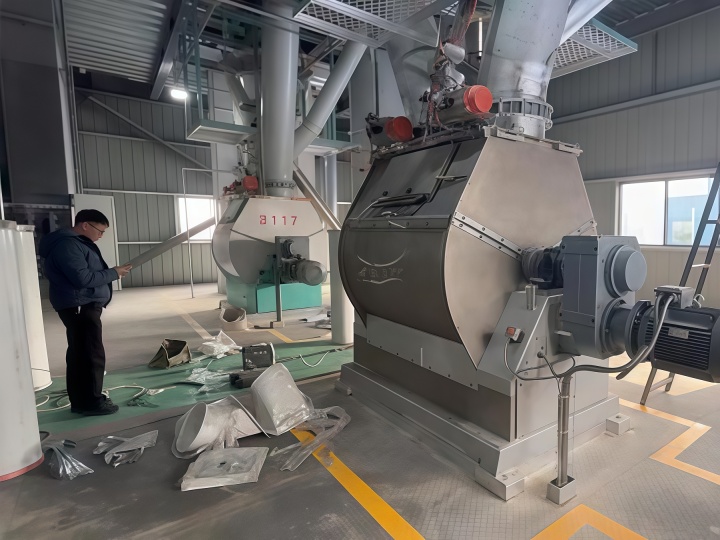
Mixing uniformity reflects practical blending performance and influences overall feed utilization effects. Following CFIA and ASAE industrial specifications, qualified compound cattle and sheep feed maintains CV values below 7%, while mineral premixes stay below 5%.
Unbalanced mixing results in inconsistent livestock nutrition intake and uneven growth status. Buyers can refer to official CV test reports during equipment evaluation.
Mixing durations beyond standard ranges may damage natural forage fiber structures and reduce feed palatability. Small-batch trial mixing helps verify actual equipment performance before formal purchasing.
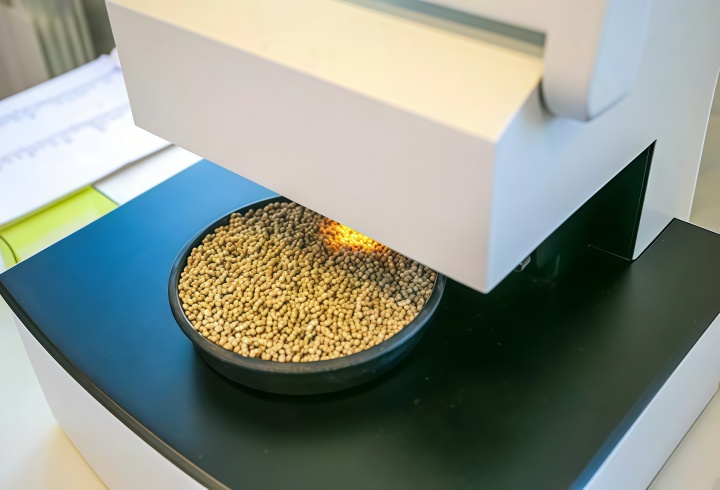
Conventional structural designs do not suit continuous high-moisture silage processing. Long-term operation under humid conditions leads to gradual rust accumulation and material caking. Silage production requires customized anti-corrosion structures and quick-discharge designs to adapt to humid and sticky material characteristics.
Most dust spreads during open feeding procedures. Adjusting feeding speed and installing sealing accessories relieve dust diffusion and reduce fine material waste.
Basic cleaning after daily operation prevents residual material deterioration. Biweekly deep maintenance sustains mechanical performance and stabilizes overall operating cycles.
Minor mechanical sounds appear during regular operation. Unusual noise mostly occurs from loose accessories, insufficient bearing lubrication or overloaded feeding. Regular inspection and standardized feeding habits improve mechanical operating conditions.
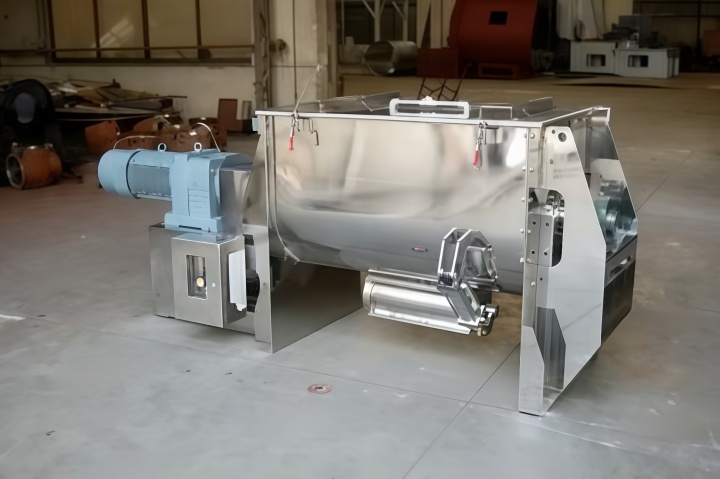
Reasonable equipment selection requires comprehensive evaluation of raw material attributes, processing scale, maintenance conditions and mixing performance. A properly configured Ribbon Mixer for Cattle and Sheep Feed sustains stable feed processing quality and optimizes overall operational efficiency.
Whether constructing new production lines or replacing outdated equipment, parameter comparison based on actual working conditions helps locate suitable mixing solutions for feed production.


Address:China,Yanjin county forest park gate to the west 1000 meters north road.


 Online Chat


 Email