


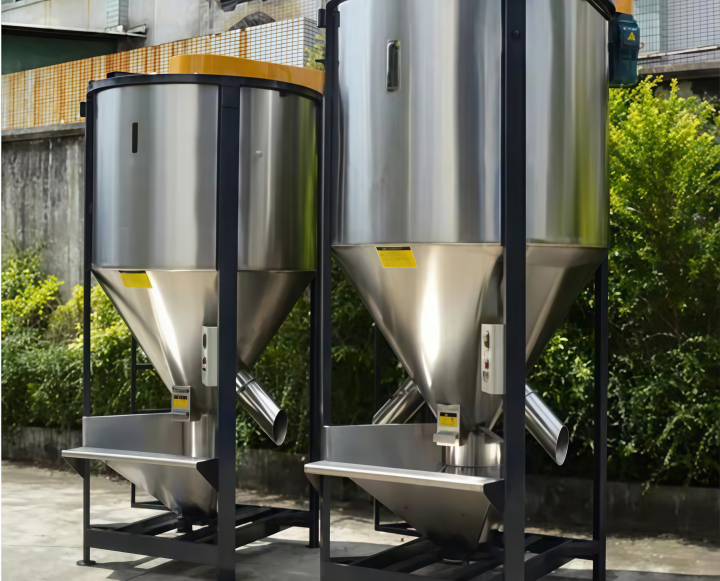
For daily output under 500 kg, choose the $3,000–$5,000 model; for 1–2 tons, choose $5,000–$10,000; for over 2 tons, choose $10,000–$15,000. This guideline comes from our factory‘s field tests on various commercial vertical feed mixers. The Stationary Small Vertical Feed Mixer, with its compact vertical design, suits small-scale farms. However, Stationary Small Vertical Feed Mixer Price varies widely across models in capacity, materials, power, and mixing accuracy. This article breaks down three price tiers with real test data to help you choose wisely.
About this article: Our factory has specialized in livestock feed machinery R&D for many years. All data comes from our R&D team’s field tests and farm follow-ups, and is verifiable.
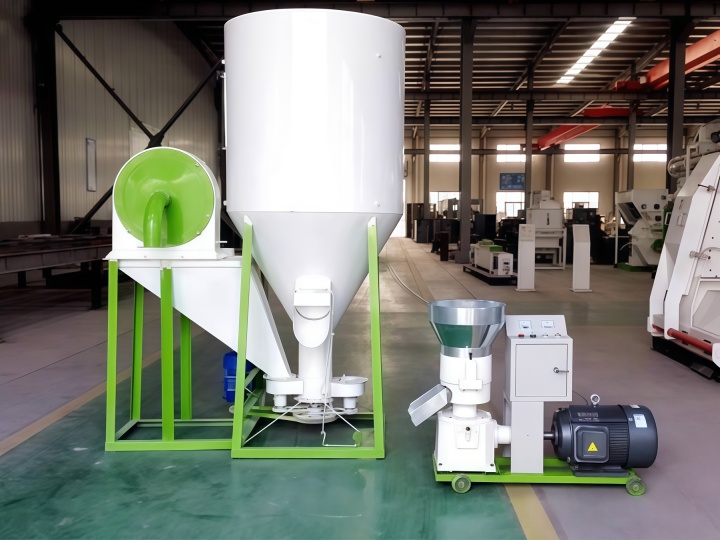
A key debate is whether this tier is sufficient. With 0.2–0.5 m³ capacity, 100–300 kg per batch, and 3–5.5 kW motor, farms with over 300 hogs need three to four batches daily, taking over 2.5 hours. Carbon steel with 304 stainless contact works for dry feed, but wet or high-salt ingredients will accelerate corrosion.
Key consideration: Many buy entry-level to upgrade later. Our data shows a $3,800 unit resells for only $1,500–$1,800 after one year—over 50% depreciation. If you plan to expand within two years, skipping this tier saves more. For stable farms under 300 hogs with dry feed, this Stationary Small Vertical Feed Mixer Price range offers the most economical choice.
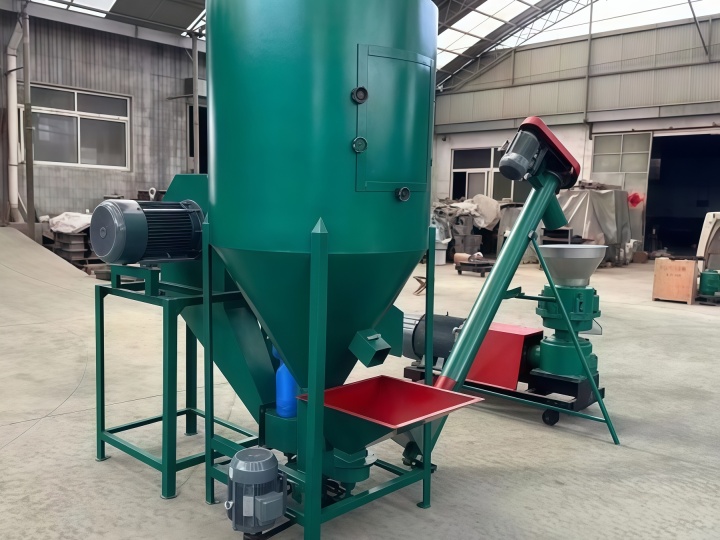
The core difference is not capacity but freeing you to do other tasks while the machine runs. With 0.8–1.5 m³, 500–1000 kg per batch, and 7.5–11 kW motor, farms with 500–800 hogs mix one or two batches daily, freeing time for cleaning, inspections, and vet checks. This tier uses 304 stainless steel throughout, 4–6 mm wall thickness, and 10 mm thickened base for better stability after three years.
Counterintuitive finding: When roughage is below 15%, a single auger gives more stable CV values than twin augers, because twin augers disrupt fiber alignment. Match auger type to your feed formula. A 2 m³ European model costs ~€4,500 net, but voltage differs from North American, requiring a transformer. For 1–2 tons/day farms, this Stationary Small Vertical Feed Mixer Price tier offers the best overall value.
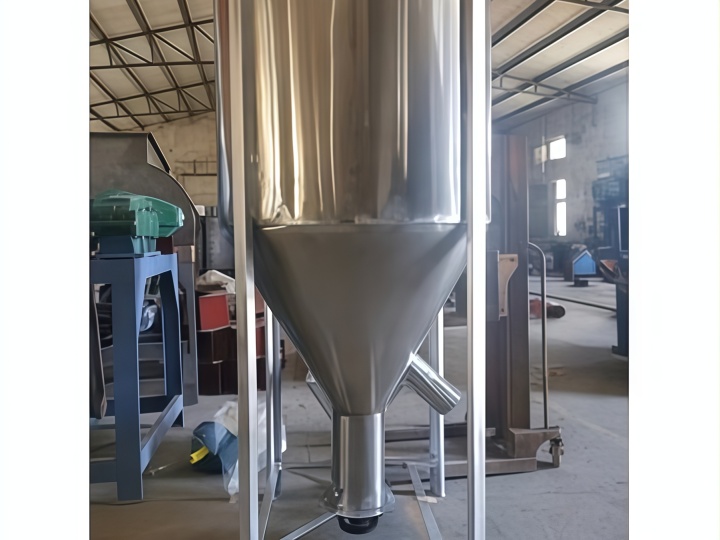
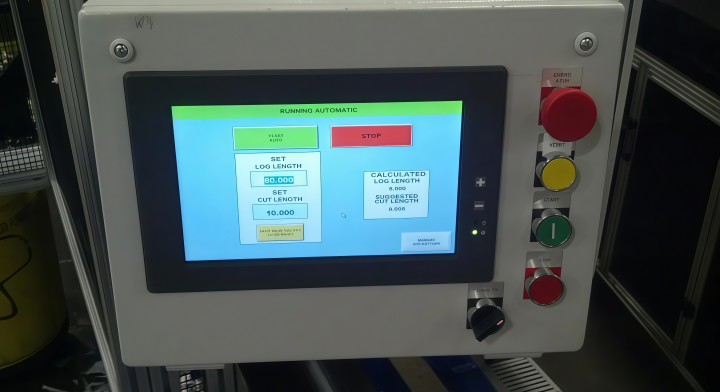
At this level, you buy not just a mixer but a system that records and reproduces quality standards. The 1.5–2.5 m³ capacity, 1000–2000 kg batch, and 15–30 kW motor are basics. The real value is the PLC control—for three or more formulations, manual weighing errors run 5%–8%, while automation cuts this to under 1%.
Often overlooked: Stainless steel is not just about rust. In mineral and acidic environments, 304 welds pit after ~2 years, while 316L extends that to 5+ years. If minerals exceed 5% in your formula, choosing 316L contact surfaces pays off. High-end models typically recoup investment in 2–3 years via improved feed conversion, but if run less than two hours daily, payback may stretch to 4+ years. For farms over 2 tons/day, the higher Stationary Small Vertical Feed Mixer Price at this tier actually leads to lower long-term ownership cost.
| Dimension | Entry-Level | Mid-Range | High-End |
|---|---|---|---|
| Price Range | $3k – $5k | $5k – $10k | $10k – $15k |
| Batch Capacity | 100 – 300 kg | 500 – 1000 kg | 1000 – 2000 kg |
| Motor Power | 3 – 5.5 kW | 7.5 – 11 kW | 15 – 30 kW |
| Drum Material | Carbon steel | 304 SS | 304/316L SS |
| Auger Type | Single | Single/Twin | Twin/Multi |
| Automation | Manual | Optional weighing | PLC + touch screen |
| CV Value | 7% – 10% | 5% – 7% | Below 5% |
| Farm Scale | <500 kg/day | 1 – 2 t/day | >2 t/day |
Understanding each Stationary Small Vertical Feed Mixer Price tier‘s specifications helps narrow down your options. Next, consider the hidden factors that affect total investment.
Beyond the price tag, power supply upgrades, floor load capacity, and spare parts availability heavily impact total cost.
Power supply: Upgrading to three-phase can cost $1,500–$3,000, often missed in quotes.
Floor load: Units above 1.5 m³ weigh over two tons fully loaded. Concrete under 10 cm thick may crack; reinforcement could exceed 10% of equipment cost.
Parts lead time: Entry-level auger blades are standard and locally available. High-end parts from the OEM take 4–6 weeks—order a spare set upfront.
Factoring these into your Stationary Small Vertical Feed Mixer Price evaluation prevents unexpected expenses later.
Equipment price is only part of the total. Data from a 500-head hog farm:
| Cost Item | Entry | Mid | High |
|---|---|---|---|
| Equipment | $4,000 | $7,500 | $12,500 |
| Electricity (3yr) | $1,800 | $2,700 | $3,600 |
| Maintenance (3yr) | $1,200 | $900 | $600 |
| Total 3-Year | $7,000 | $11,100 | $16,700 |
Entry-level total cost is about double its price. If a gearbox repair occurs in year two ($800–$1,500), the cost advantage shrinks. When comparing Stationary Small Vertical Feed Mixer Price options, always consider lifecycle costs and failure risks across tiers.
Four widespread myths often lead to wrong choices: “larger capacity means better mixing,” “stainless steel is always more cost-effective than carbon steel,” “twin augers are always more uniform than single augers,” and “imported brands are always better than local brands.” These misconceptions cause buyers to misjudge Stationary Small Vertical Feed Mixer Price versus actual value. Here are the facts.
Myth 1: Larger capacity = better mixing. For under 500 head, a 1.5 m³ unit actually mixes more uniformly than 2.0 m³+ due to better circulation.
Myth 2: Stainless is always better than carbon steel. For dry feed, lifespan difference is small, but price gap is 40%–60%. Stainless only needed when moisture >15% or minerals added.
Myth 3: Twin augers are always more uniform. A single auger reaches CV under 10% in 4–8 minutes. Twin augers excel with sticky materials; for grain-based feeds, single is sufficient.
Myth 4: Imported brands always beat local. Imports cost 25%–35% more and have 4–6 week parts lead times. Local brands often offer better after-sales and parts availability.
Q1: Is a used vertical feed mixer worth it?
Used units cost 50%–70% of new, but wear is hard to spot. Request maintenance records, or repairs may erase savings.
Q2: How do annual maintenance costs differ?
Entry-level averages ~$400/year; high-end ~$200/year, though a single high-end part replacement may exceed $800.
Q3: Can I finance a high-end model?
Some regions offer financing with 20%–30% down, but total interest adds 15%–25% versus full payment.
Q4: What about shipping and installation?
These typically add 10%–15%. A $5,000 unit may cost ~$6,000 delivered—always confirm if freight is included.
From $3,000 to $15,000, Stationary Small Vertical Feed Mixer Price reflects capacity, materials, automation, and operating costs. Use this article‘s decision variables, cost comparisons, and myth busters to move beyond price-only thinking. Base your choice on farm scale, power supply, floor conditions, and feed formula. We welcome further discussion to provide tailored recommendations for your specific situation.


Address:China,Yanjin county forest park gate to the west 1000 meters north road.


 Online Chat
 Email
Email