


Animal feed pellet machine is essential equipment in modern animal husbandry, converting powdered feed into nutrient-dense pellets. At Dahan Mixer, we have supplied feed pellet machines to over 500 farms across Southeast Asia and Africa, helping them increase feed conversion rates by 12-18%. This guide draws on our 15+ years of manufacturing experience to help you choose the right model—whether you're a small farm or a large-scale operation. Whether you need a ring die or flat die feed pellet machine for animals, understanding these factors ensures improved feed efficiency and animal growth.
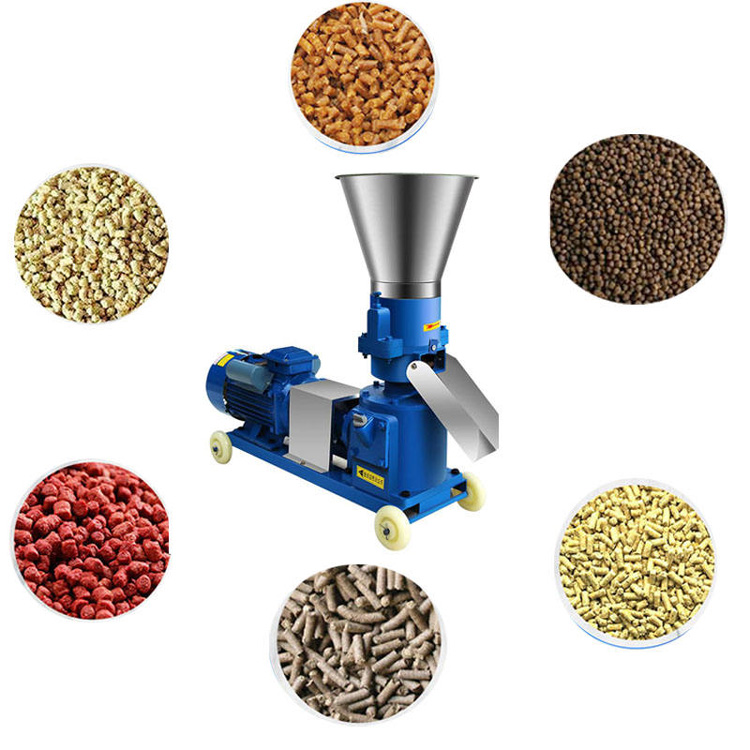
Understanding this process helps in maintaining the animal for feed pellet machine for long-lasting performance.
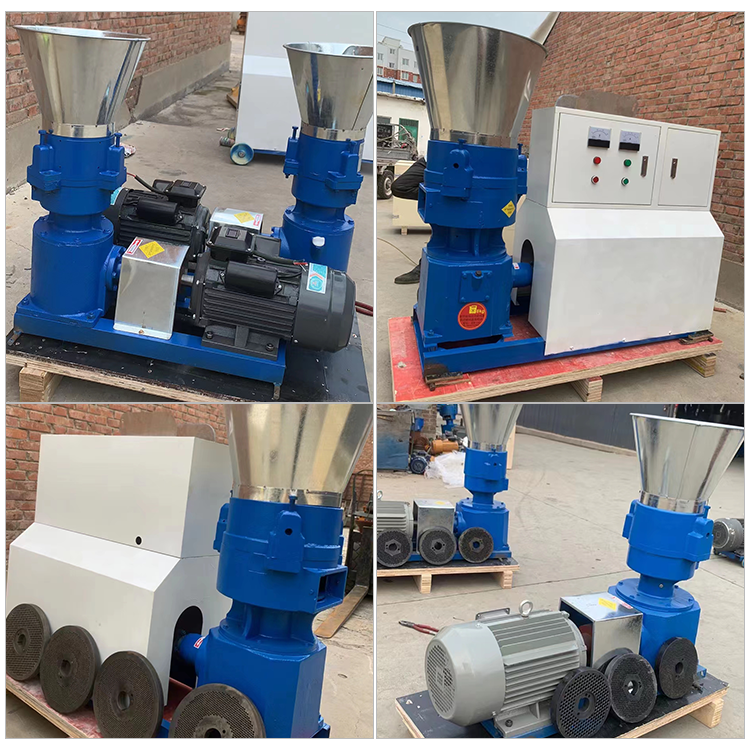
Animal for feed pellet machines can be divided into the following types according to their structure and working principle:
| Type | Output Capacity | Pellet Density | Best For | Price Range (USD) | Recommended Farm Size |
|---|---|---|---|---|---|
| Flat Die Pellet Machine | 0.5-3 t/h | Medium | Small farms, poultry, rabbits | $3,000-$15,000 | < 1,000 heads |
| Ring Die Pellet Machine | 3-20 t/h | High | Large-scale commercial farms, cattle, pigs | $20,000-$150,000 | > 5,000 heads |
| Extrusion Pellet Machine | 1-10 t/h | Very High (sinking pellets) | Aquaculture, fish, shrimp feed | $15,000-$80,000 | Aquaculture farms |
| Puffing Pellet Machine | 0.5-5 t/h | Low (floating pellets) | Pet food, high-starch ingredients | $10,000-$50,000 | Specialty feed production |
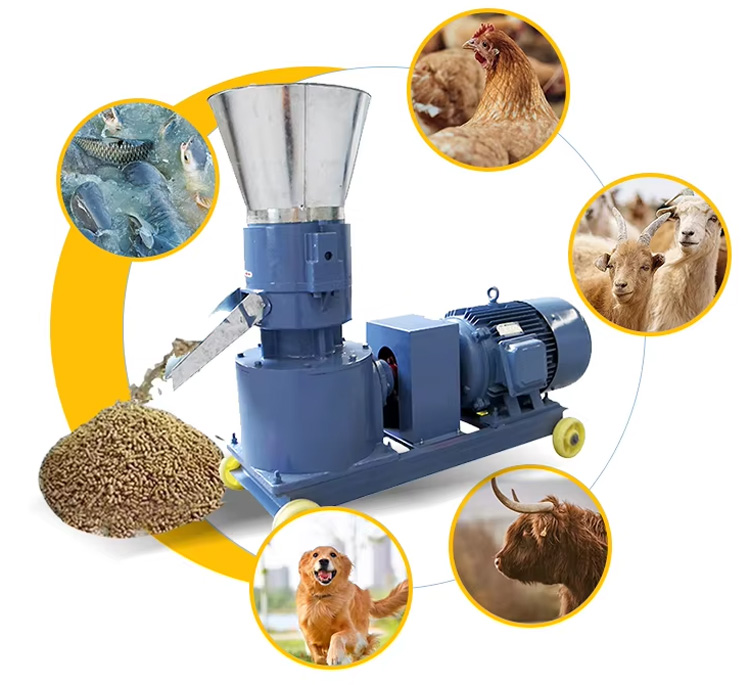
Compared with traditional powdered or crushed feed, animal for feed pellet machine has the following advantages:
Improve feed utilization: Pellet feed reduces waste by 8-15% compared to mash feed. Animals digest pellets more efficiently, with feed conversion ratio (FCR) improving by 5-10% depending on species.
Improve feed hygiene: Pellet feed reduces dust by up to 70%, lowering the risk of respiratory diseases in animals. The pelleting process uses heat of 75-90°C, which reduces Salmonella and E. coli by over 90%.
Improve animal production performance: Pellet feed increases daily weight gain by 8-12% in pigs and 5-8% in poultry. For dairy cattle, milk production can increase by 5-10% when switching from mash to pelleted feed.
Convenient transportation and storage: Pellet feed has bulk density 30-40% higher than mash, reducing storage space requirements. Properly stored pellets have a shelf life of 6-12 months vs. 2-3 months for mash feed.
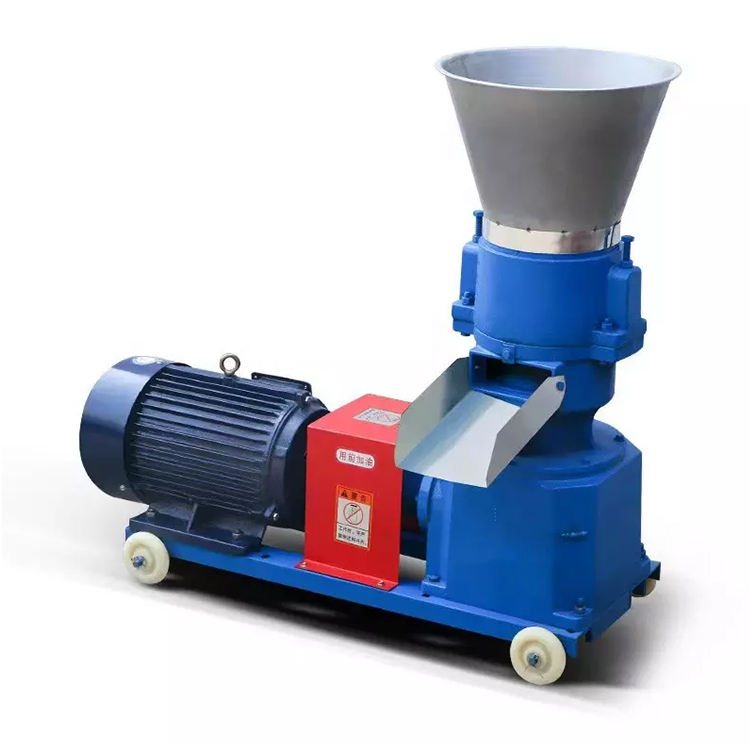
The following factors should be considered comprehensively when purchasing animal for feed pellet machines:
1. Calculate your required capacity
Required capacity (t/h) = (Number of animals × Daily feed per animal) ÷ Operating hours per day
Example: 10,000 broilers × 0.15 kg/day = 1,500 kg/day ÷ 8 hours = 0.19 t/h → choose 0.5-1 t/h model
2. Match die type to your feed ingredients
| Feed Ingredient | Moisture Content | Recommended Machine |
|---|---|---|
| Corn, soybean meal (dry) | 10-14% | Flat die or ring die |
| Fish meal, wet ingredients | 15-25% | Extrusion pellet machine |
| High starch (wheat, barley) | 12-16% | Puffing pellet machine |
3. Consider your budget vs. ROI
For a mid-sized farm (5,000 pigs), a $25,000 ring die pellet machine typically pays for itself within 12-18 months through feed savings of $1,500-$2,500 per month.
4. Check quality indicators
Die material: X46Cr13 stainless steel (minimum)
Motor efficiency: IE3 or higher
Warranty: Minimum 12 months
Certifications: ISO 9001, CE (ask your supplier)
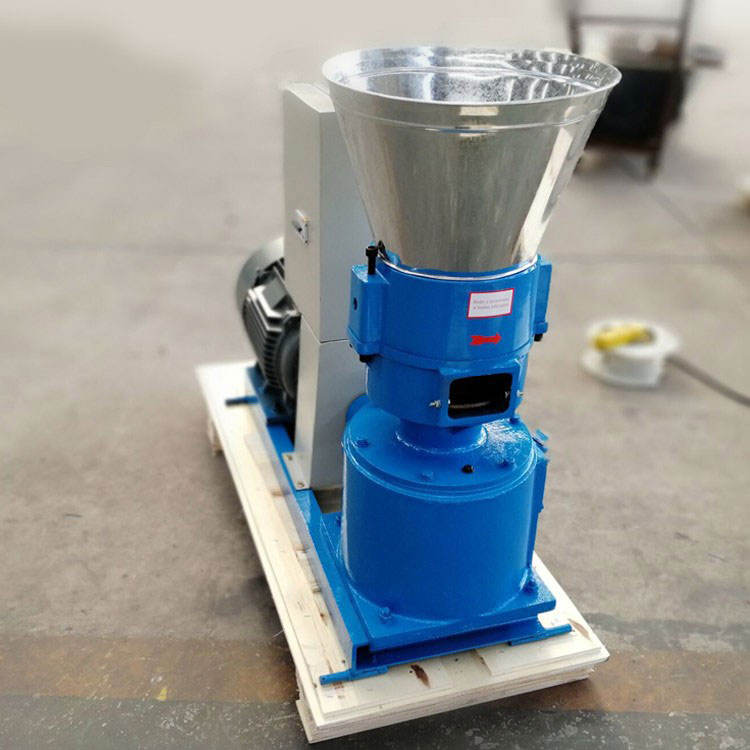
Equipment maintenance: Regularly maintain the pellet machine to extend service life. Key maintenance schedule:
Daily: Check roller and die clearance (should be 0.1-0.3mm); lubricate bearings
Weekly: Inspect die for wear; replace if hole diameter has increased by >20%
Monthly: Check V-belt tension; clean cooling system
Annually: Full overhaul of gearbox and motor
Safe operation: Operators must undergo professional training. All our machines come with emergency stop buttons and safety guards. We provide free operator training videos and manuals with every purchase.
Raw material selection: Choose high-quality feed raw materials to ensure pellet quality. Optimal moisture content for pelleting is 12-18%. Materials that are too dry (<10%) won't bind; materials too wet (>20%) will clog the die. We recommend using a moisture meter before each batch.
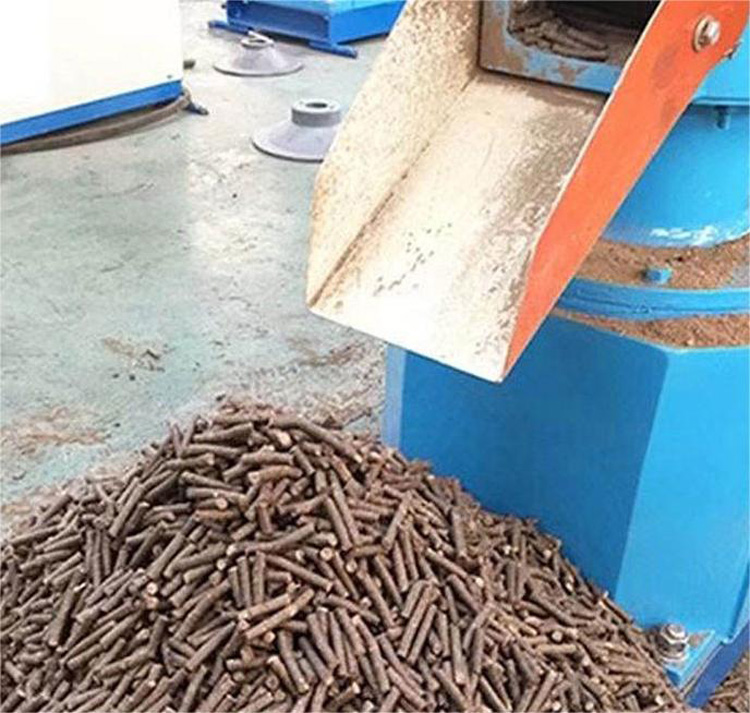
Animal for feed pellet machine is an important tool for the development of modern animal husbandry. It can improve feed utilization, improve feed hygiene, and improve animal production performance, bringing many benefits to the development of the breeding industry. Choosing a suitable feed pellet machine and performing reasonable maintenance can effectively improve breeding benefits and provide strong guarantees for the development of animal husbandry.
Assess your daily feed requirement. Small farms (under 500 kg/day) can opt for flat die models, while large farms need high-capacity ring die machines.
Yes, but die size and conditioner settings may need adjustments. For materials with high starch or moisture, consider an extrusion or expansion pellet mill.
What is the price range of an animal feed pellet machine?
Prices range from $2,000 for small flat die models to over $150,000 for large industrial ring die machines, depending on capacity and features.
How often should I perform maintenance on the pellet machine?
Daily checks on roller gap and lubrication, weekly die inspection, and monthly full system cleaning are recommended to ensure optimal performance and extend machine life.
Choosing the optimal animal feed pellet machine is a strategic decision for your farm's productivity. By considering your raw materials, output needs, and budget, you can find a machine that delivers lasting value.


Address:China,Yanjin county forest park gate to the west 1000 meters north road.


 Online Chat
 Email
Email