


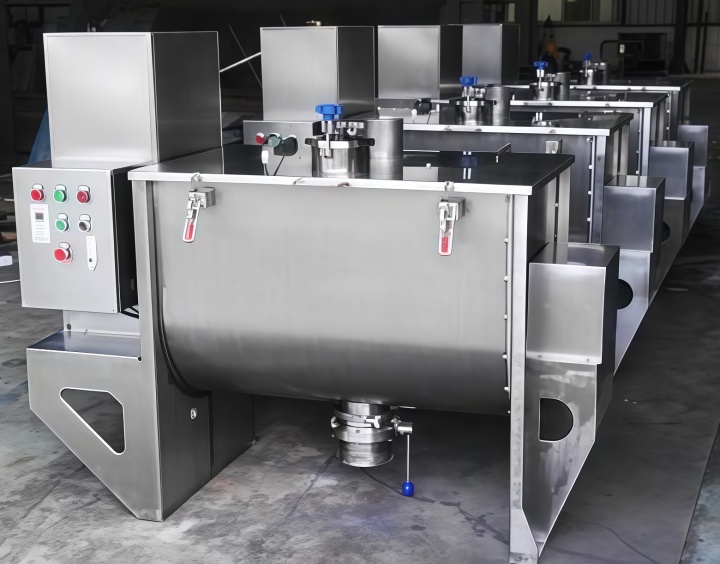
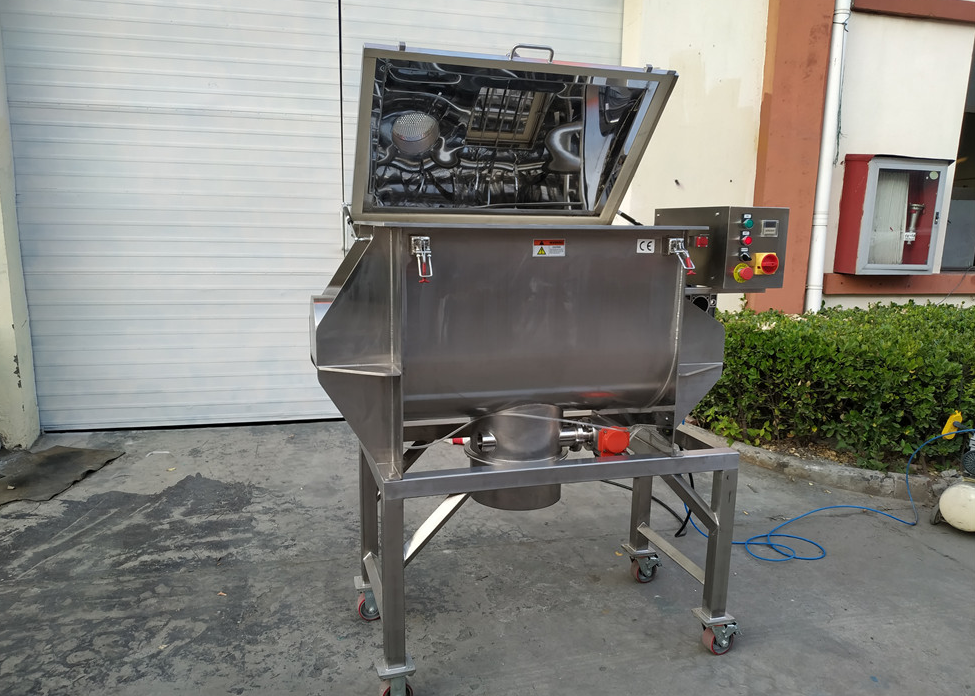
Bread Crumb Ribbon Mixer is a horizontal stirring device for food processing, dedicated to blending base bread crumb materials and seasoning ingredients. The goal of selection is to preserve the integrity of bread crumb particles and achieve uniform mixing while meeting hygiene standards for food workshops in target markets, including FDA, EU EC1935/2004 and 3‑A sanitary equipment standards.
Many buyers compare equipment by volume and quotation alone, ignoring the physical traits of bread crumbs: fragile texture and fine debris prone to adhesion. Once put into operation, issues such as broken particles, inconsistent mixing and sanitary residues may appear, leading to scrapped batches and affecting production status. This article centers on Bread Crumb Ribbon Mixer Selection. Drawing from practical pain points in powder coating and food processing, it sorts out practical selection criteria to help procurement and process teams pick equipment suited to production lines.
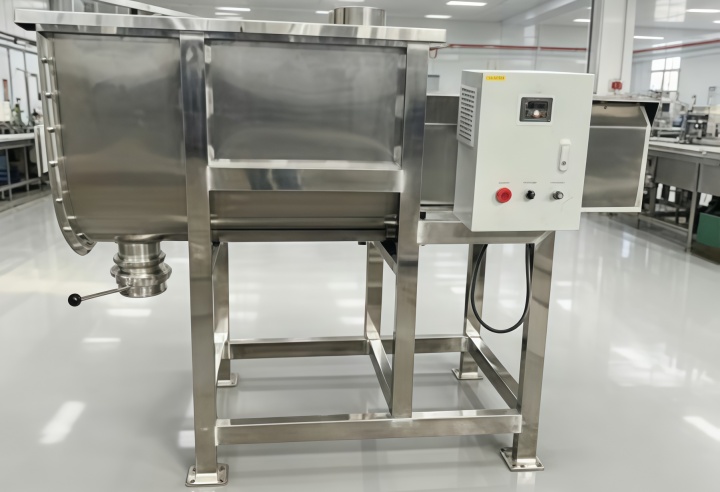
Material compatibility and batch output serve as the foundation of equipment selection. Parameters for general powder mixers cannot be directly applied to bread crumb processing. Bread crumbs feature porous structures and low mechanical strength. Excessive stirring peripheral speed can crush particles and spoil the look and texture of finished goods. According to public technical specifications of horizontal ribbon mixers, the filling range sits between 40% and 70% of total tank volume. For fragile porous bread crumbs, the filling range of 50% to 60% can be taken as a reference.
When filling exceeds 70%, there is limited space for material convection and mixing uniformity declines. If filling falls below 40%, the ribbon fails to drive materials sufficiently and mixing performance weakens. Manufacturers calculate single batch feeding weight based on batch output and follow the recommended filling range to avoid poor mixing and particle compression damage caused by overfeeding. This is a practical point prioritized in Bread Crumb Ribbon Mixer Selection.
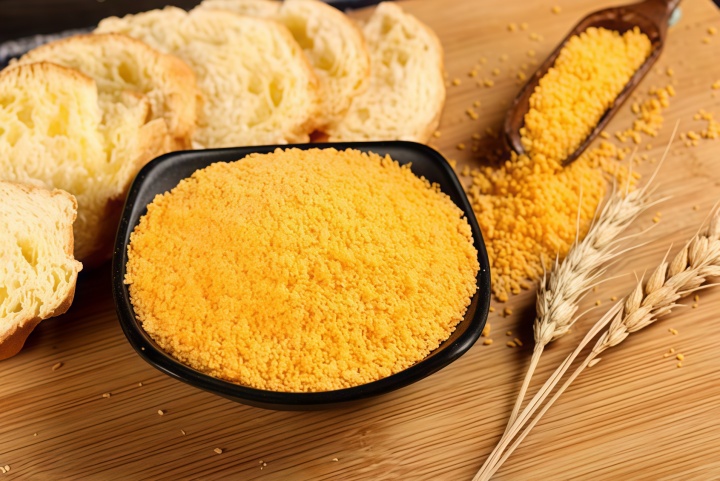
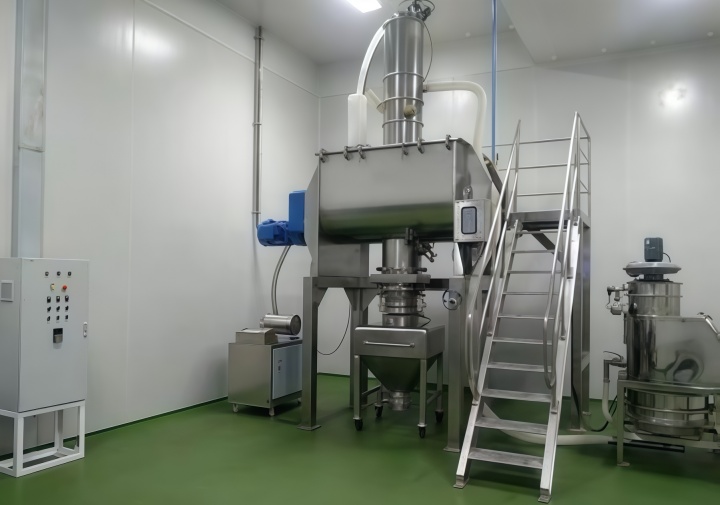
The baking and coating industry imposes strict sanitary control over powder processing equipment. Chamber structure affects cleaning difficulty and operational risks, making it an essential evaluation item in selection. The mixing chamber and ribbon shall adopt food-grade stainless steel. For markets in North America, equipment needs to comply with FDA requirements for food-contact materials. For EU shipments, compliance with EC1935/2004 is required. Lines demanding higher sanitary levels may choose models conforming to 3‑A sanitary standards. Mirror polishing helps reduce bread crumb adhesion.
Weld dead zones inside the chamber should be minimized and gaps between ribbon and tank wall kept under control. As stated in guides from Bakerpedia and 3‑A sanitary standards, fine carbohydrate powder trapped inside crevices may breed Bacillus spores under suitable temperature and humidity. This is one of the frequently discussed risks of cross-contamination within bread crumb and coating processing sectors, and an important indicator for evaluating equipment compliance during Bread Crumb Ribbon Mixer Selection. Chambers with mirror finish and fewer dead corners come with higher investment. Selection should match sanitary requirements according to project budget.
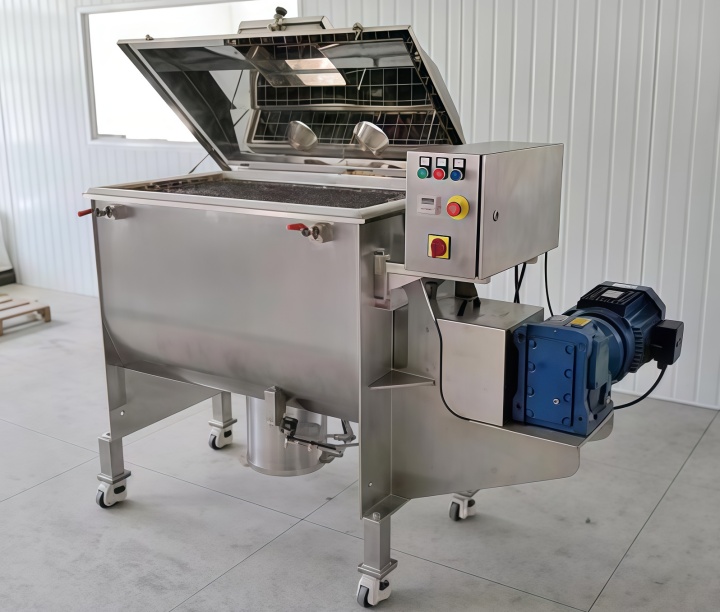
Bread crumb dust contains fine starch particles which easily penetrate bearing gaps, bringing extra challenges to sealing and transmission compared with ordinary powder. Low-cost models often come with thin sealing structures and limited load margin. Starch dust continuously invading bearings may trigger abnormal noise, slipping or halt during operation.
Models suitable for bread crumb lines are fitted with stable drive assemblies and high-performance shaft seals to block starch dust. They can adapt to frequent start-stop cycles on site and reduce unplanned downtime. This factor plays a part in operational expenditure assessment within Bread Crumb Ribbon Mixer Selection.
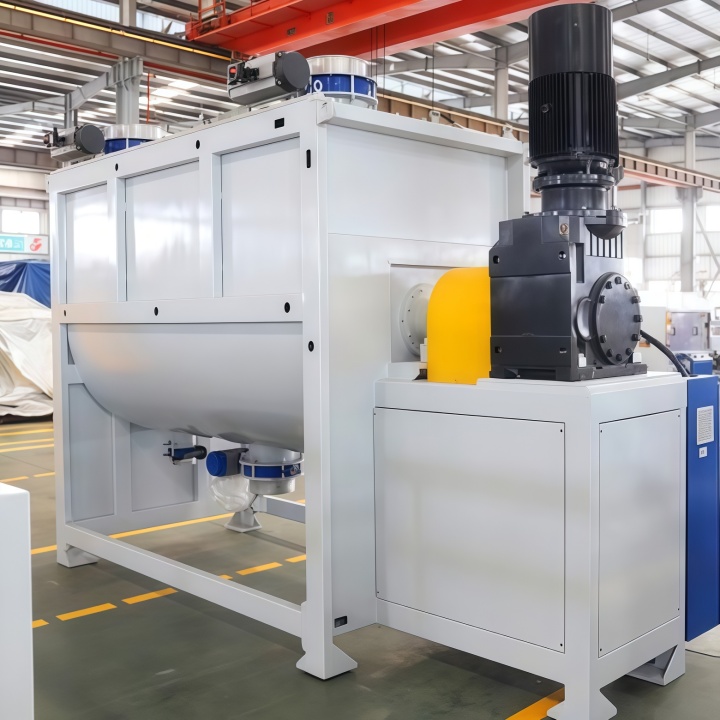
Total expenditure for bread crumb production covers more than equipment purchase cost. Frequent seal replacement, downtime cleaning due to material residue and long lead times for overseas spare parts all add to operational expenses.
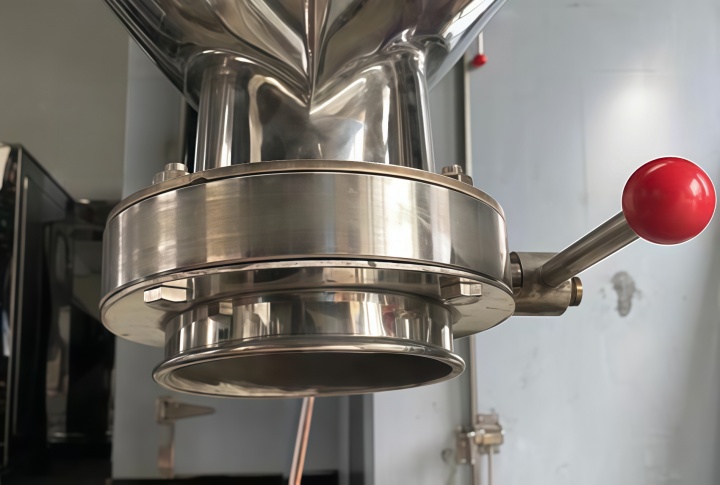
The discharge outlet should feature a gentle transition to reduce particle crushing while discharging. Buyers also need to assess local spare parts availability, chamber cleaning difficulty and site installation dimensions. Balancing particle protection performance and subsequent operational expenditure is one of the considerations in Bread Crumb Ribbon Mixer Selection.
Bread crumb mixing has strict limits on working conditions, so buyers need to distinguish applicable scenarios to avoid improper selection. It works for plain bread crumb mixing and blending low-oil seasoning powder on medium and small continuous food production lines.
It is not suited for slurry with high liquid content or long-time mixing of ultra-fine powder together with oversized particles. Such conditions tend to cause particle breakage and material stratification, making it hard to reach target mixing results.
Based on field experience from powder coating and food production lines, selection for bread crumb production prioritizes sanitary compliance and particle integrity. Next comes matching batch output, followed by assessment of drive units and operational expenses. Many purchasers focus merely on price comparison and overlook material compatibility, which may lead to product defects and audits on-site.
Residue trapped inside mixing chambers is a commonly mentioned sanitary hazard in baking and coating sectors. Ribbons with improper gaps trap bread crumb debris and raise risks of microbial contamination. Inspecting chamber details at the selection phase can lower chances of production shutdown after commissioning.
| Check Item | Description |
|---|---|
| Material Moisture State | Distinguish dry bread crumbs or wet blending with oil and seasonings |
| Batch Feeding Weight | Confirm batch volume based on output, reference filling range:50%-60% for bread crumbs |
| Material of Contact Parts | Food-grade stainless steel; refer to FDA / EC1935/2004 for export to Europe and North America |
| Chamber Structure | Reduce welding dead zones, control ribbon clearance to avoid trapped debris |
| Shaft Dust Seal | Block starch dust from entering bearings and extend service periods |
| Motor Overload Protection | Match batch load to lower risks of slipping and shutdown |
| Discharge Structure | Gentle discharge design to reduce particle breakage |
| Workshop Layout & Maintenance | Verify site dimensions and confirm channels to obtain wear parts |
When reviewing all aspects in Bread Crumb Ribbon Mixer Selection, buyers should assess material traits, output requirements, sanitary standards, equipment stability and operational expenditure comprehensively instead of basing decisions only on price.
Evaluating particle integrity, mixing consistency and food compliance helps reduce production troubles after commissioning. You may share production parameters for technical assessment.
A: It handles blending of varied particle sizes, but obvious size difference may cause material stratification. Small-scale trials are recommended to verify mixing duration and stable mixing results.
A: Low temperature weakens flowability of bread crumb powder and extends mixing duration. Adjust feeding sequence to ease powder agglomeration caused by cold environment.
A: Such models support connection with various automatic feeding units to cut dust generated during manual feeding. Set feeding speed according to bread crumb particle weight to ease particle breakage.
A: Check feeding sequence before raising stirring speed. Improper feeding sequence leads to local accumulation of materials. Higher stirring speed may further break bread crumb particles.


Address:China,Yanjin county forest park gate to the west 1000 meters north road.


 Online Chat


 Email