


Cattle feed pellet machine is a specialized equipment that processes raw materials like corn, soybean meal, and forage into uniform, high-density pellet feed. For cattle farmers, switching from loose mash feed to pelleted feed can improve the feed conversion ratio by 15-20% and significantly reduce waste during storage and transportation. As a trusted manufacturer with years of industry expertise, Dahan Machinery provides customized pelletizing solutions for farms of all sizes—ensuring higher digestibility, better herd health, and maximum ROI.
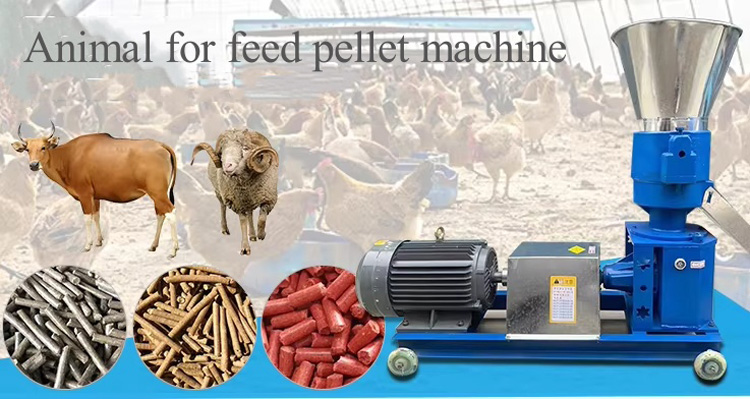
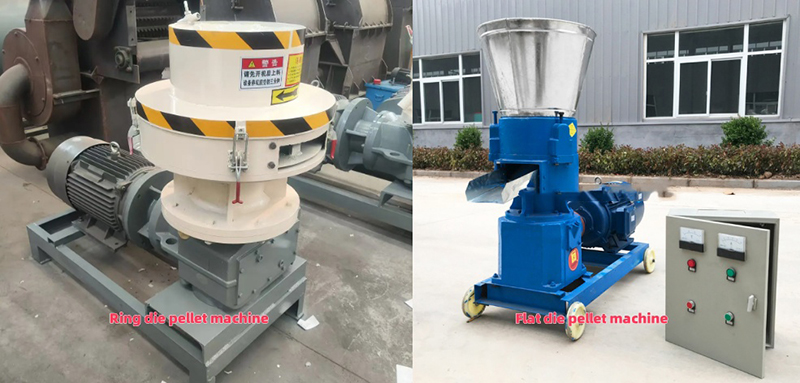
As a source manufacturer, we can customize equipment according to customer needs and sell different types of pellet machines for customers to use.
Ring die pellet machine: The ring die structure ensures even stress distribution, producing pellets with stable quality and smooth appearance. It is specifically designed for large-scale cattle farms (over 200 heads), delivering a high production capacity of 1 to 5 tons per hour. While the initial investment typically ranges from $8,000 to $50,000, the lower maintenance costs and ultra-high output make it extremely cost-effective for commercial feedlots.
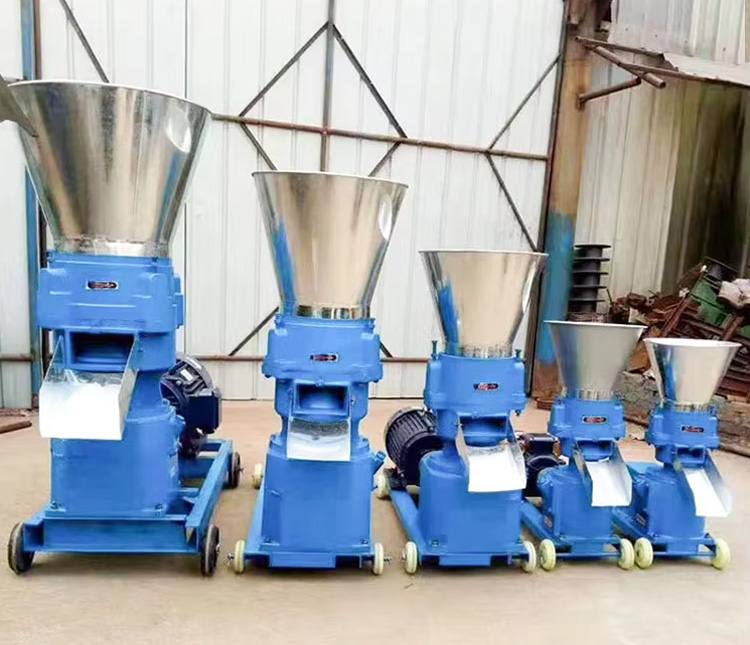
Flat die pellet machine: The flat die model features a simple structure and easy operation, with a relatively lower entry price (starting around $1,500 to $5,000). It produces 100 to 300 kg per hour, making it the perfect choice for small farms (under 50 heads) or family farmers who prioritize affordability, straightforward maintenance, and quick die changes.
The working principle of cattle for feed pellet machine is based on the process of mechanical pressing and heat treatment. First, the raw feed is put into the pellet machine through the feeding system. Then, the raw material is squeezed by the press and formed by the die in the pellet machine to form pellet feed with moderate density and uniform size. During the pressing process, an appropriate amount of water or steam is usually added to improve the forming and stability of the pellets. For optimal pelleting results, the moisture content of the raw material should be strictly controlled at 12-15%. If steam conditioning is used, the temperature must be maintained at 75-85°C. This precise range ensures proper starch gelatinization and activates natural lignin as a binder, without degrading heat-sensitive nutrients like vitamins and enzymes.Finally, the finished pellet feed is discharged through the discharging system.
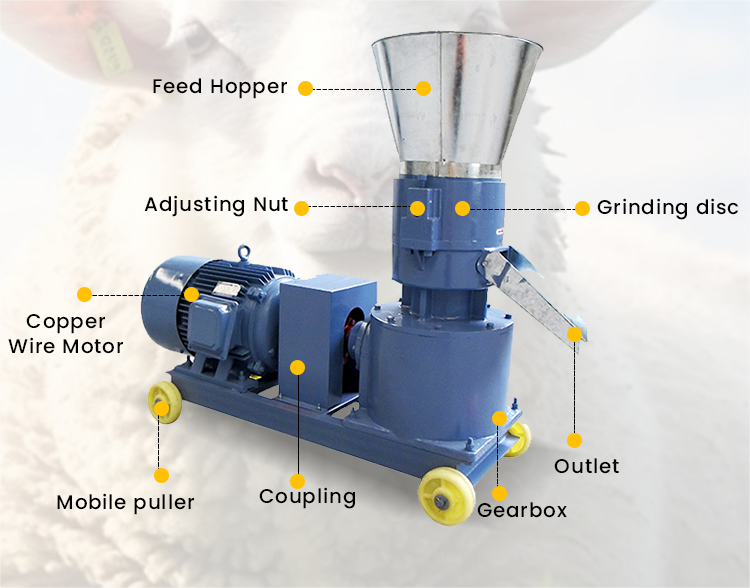
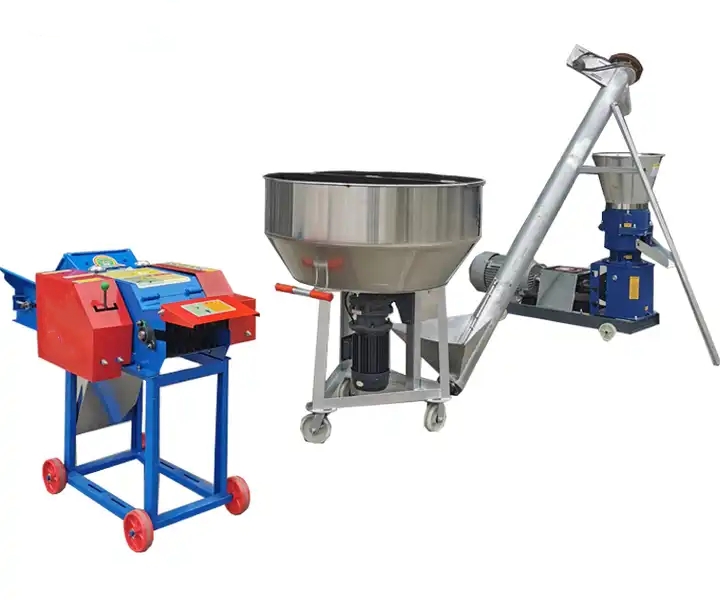
Cattle for feed pellet machine usually consists of the following main components: feeding system, pressing system, die, discharging system and electronic control system. The feeding system is used to transport the raw feed into the pellet machine, the pressing system presses the raw material into pellet feed through mechanical pressure, the mold is used to shape the shape and size of the pellets, the discharging system discharges the finished pellets, and the electronic control system controls the entire working process.
The cattle for feed pellet machine has the following characteristics and advantages:
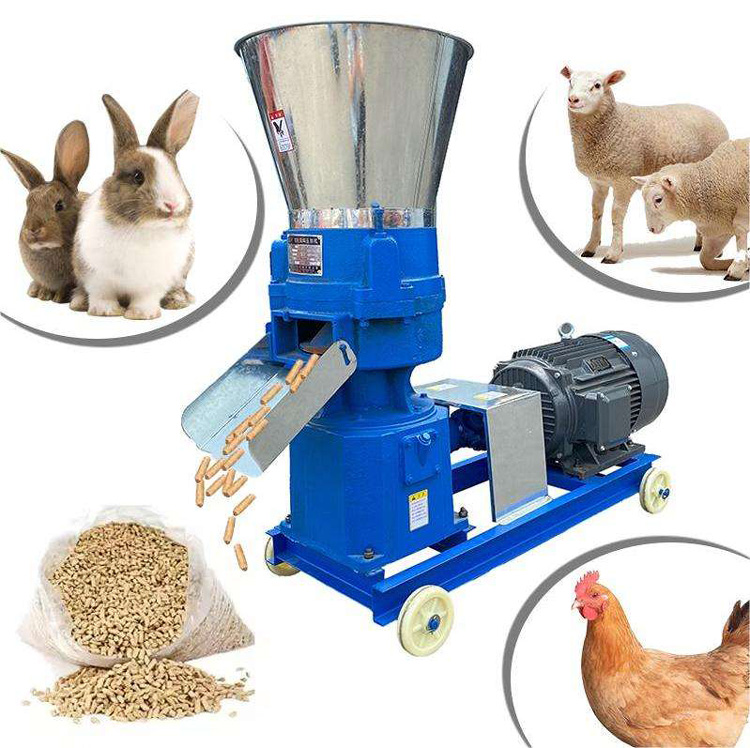
Efficient production: Produces 200 to 5,000 kg per hour depending on the model, reducing labor costs by up to 40% compared to traditional manual feed mixing methods.
Optimize feed formula: Precise control over pellet density (0.6-0.8 g/cm³) and superior mixing uniformity ensures consistent nutrient delivery, helping cattle achieve 85-90% nutrient absorption rates for faster and healthier growth.
Improve feed utilization:Pelleted feed significantly reduces waste by 20-30% during feeding and storage. The improved digestibility means cattle require 12-15% less feed per kilogram of body weight gain compared to loose mash feed.
Convenient storage and transportation: Uniform 3-8mm pellets flow freely in automated feeding systems and require 40% less storage space than loose feed, dramatically cutting logistics and warehousing costs.
Environmental protection and energy saving:The mechanical pressing process uses 30-40% less energy than thermal drying methods. No chemical binders are needed, as the natural lignin in plant materials activates as a binder at 70-90°C, making the entire production cycle clean, green, and sustainable.
Cattle for feed pellet machine is suitable for processing all kinds of cattle feed, including cattle grain, forage, straw, corn, soybean residue, fish meal, etc. It can meet the feeding needs of cattle at different stages, such as feed processing in the juvenile period, growth period and mature period.
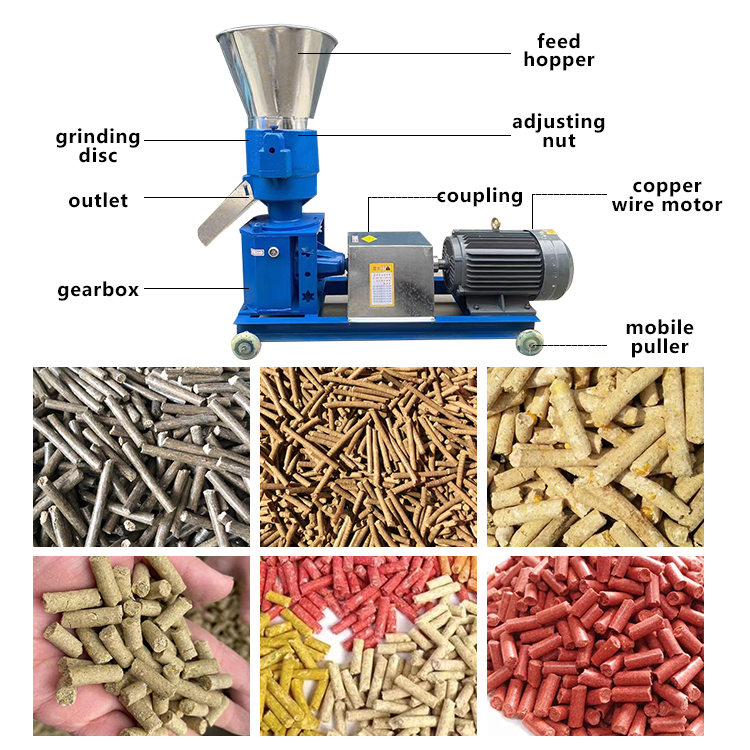
Energy feed pellets: mainly based on carbohydrate-rich raw materials, such as corn, wheat, barley, sorghum and other grains. These grains are crushed and processed into pellet feed, which can provide rich energy for cattle.
Protein feed pellets: usually soybean meal, cottonseed meal, rapeseed meal, fish meal, meat and bone meal, etc. are used as the main raw materials, and pellets are made through a pellet machine.
Roughage pellets: various hay powders (such as alfalfa powder, sheep grass powder), straw powder (such as corn straw powder, wheat straw powder), etc. are used as the main raw materials to make suitable feed pellets for cattle.
Complete feed pellets: according to the nutritional needs of cattle at different growth stages and production purposes, energy feed, protein feed, roughage, minerals, vitamins and other additives are mixed in scientific proportions and processed through cattle feed pellet machines.
We manufacture two primary types of pellet mills to meet diverse production needs:
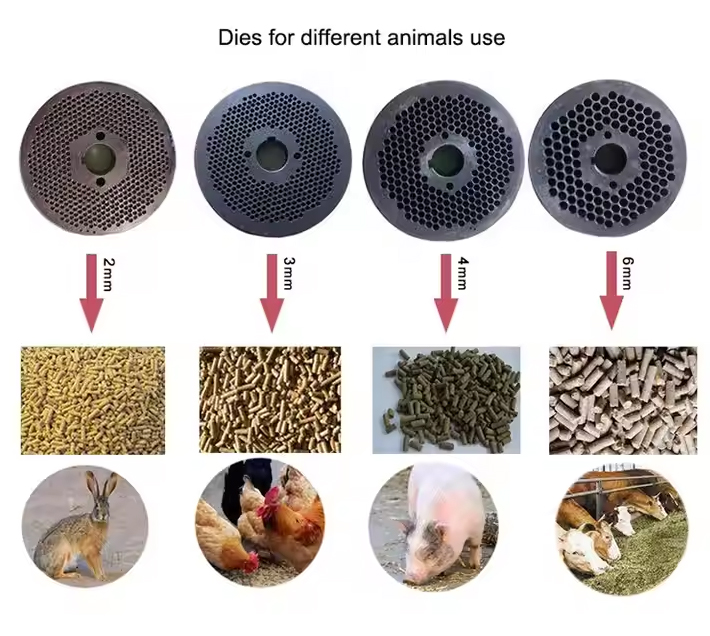
| Pellet Type |
Diameter Range (mm) |
Target Animal/Stage | Key Technical Parameters | Feeding Benefits |
| Micro Pellets | 2-3 | Newborn calf milk replacer |
Die compression ratio 1:5-1:6 Pelletizing temp ≤60℃ |
Prevents choking (palatability +40%) Digestibility improved 25-30% |
| Small Pellets | 3-5 | Weaning calves (3-6 months) |
5-8% molasses added Hardness 50-60N Crude protein ≥18% Starch gelatinization 45-50% |
Facilitates transitional feeding Reduces digestive stress |
| Standard Pellets | 6-8 |
Growing cattle (7-18 months) Gestating cows |
Compression ratio 1:8-1:10 Steam conditioning 75-85℃ |
Feed conversion ratio 4.2-4.5:1 Daily gain 1.3-1.5kg |
| Large Pellets | 8-10 | Finishing cattle |
Deep-hole die (L/D ratio 1:12) 3-5% fat coating |
Feed intake +15-20% Marbling score +0.5 grade |
| Coarse Pellets | 10-12 |
Straw processing TMR base |
Pre-conditioning moisture 18-20% Double pelleting |
Ruminating time +30% NDF digestibility +8-10% |
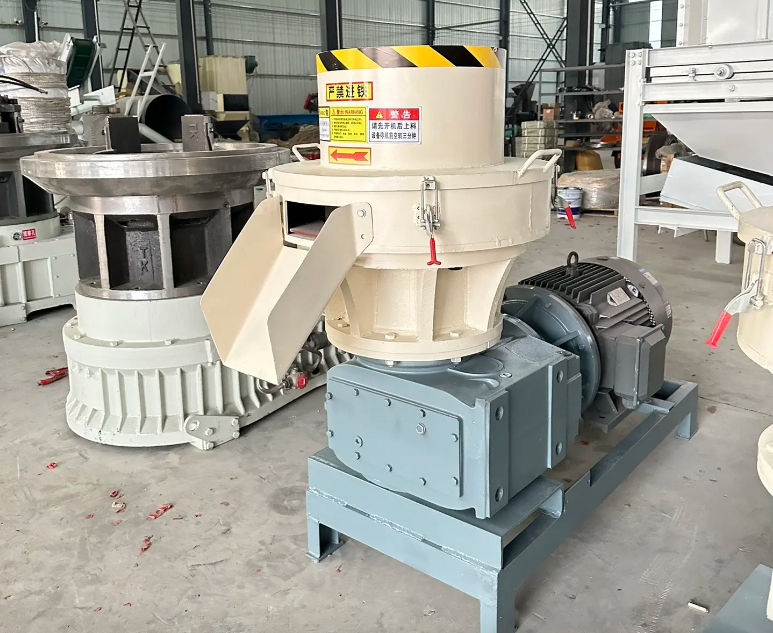
When choosing a suitable machine, we can combine the following points for selection.
Small (100-300kg/h): suitable for farms with less than 50 heads, with a power configuration of 7.5-15kW motor.
Medium (500-1000kg/h): suitable for farms with 50-200 heads, with a power configuration of 22-55kW motor.
Large (1-5t/h): suitable for farms with more than 200 heads, with a power configuration of more than 75kw.
Aperture selection: 8-10mm for fattening cattle, 4-6mm for calves
Material: alloy steel mold is preferred, with a service life of up to 500-800 hours
When using cattle for feed pellet machine, you need to pay attention to the following matters:
Select the appropriate pellet machine model and specifications to adapt to the expected output and feed type.
Properly crush and mix the raw materials to ensure the normal operation of the pellet machine and the quality of the pellets.
Clean and maintain the pellet machine regularly to ensure the normal operation of the equipment and extend its service life.
According to the characteristics of pellet feed and animal needs, reasonably adjust the feed formula and pellet size.
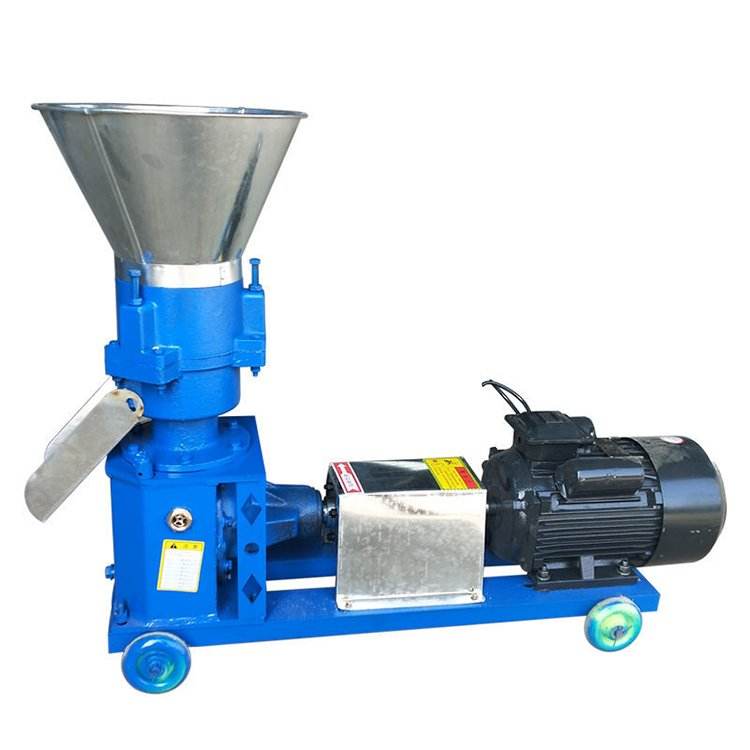
Cattle for feed pellet machine is an indispensable equipment in modern dairy farming. It can improve feed utilization, improve feed hygiene, improve dairy cow production performance, and ultimately improve farming benefits. Choosing a suitable cattle feed pellet machine and performing reasonable maintenance can effectively reduce breeding costs, improve economic benefits, and provide strong guarantees for the development of dairy farming.
Selecting the best machine depends on your herd size, budget, and production goals. Our factory-direct pricing ensures you get the best value:
Pro Tip: For fattening cattle, choose 8-10mm die holes; for calves, opt for 4-6mm. Always prioritize alloy steel dies for longevity. Contact us for a customized quote based on your specific requirements.
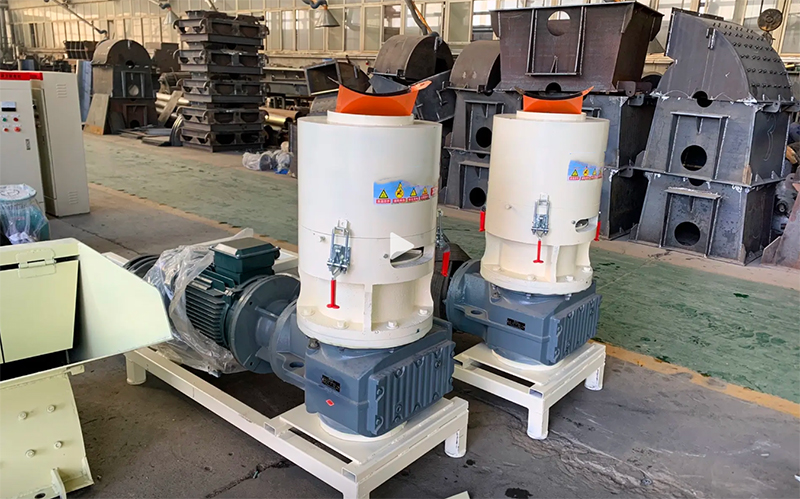
The price of cattle feed pellet machine varies depending on equipment specifications, capacity configuration and functional characteristics. Small equipment is suitable for family farms or small-scale farms, and the price is relatively affordable; medium-sized equipment is aimed at professional farms, with significant improvements in capacity and durability, and the price is moderate; large-scale industrial equipment has automated control systems and high-yield advantages, suitable for large-scale breeding enterprises, and the price is higher. Factors such as equipment material, power configuration (electric or diesel), and mold specifications will affect the final quotation. Our customers can customize on demand, and some suppliers will also provide flexible purchase plans such as installment payments.
What size pellet is best for cattle?
Calves need smaller 3-4mm pellets for easy digestion, while adult fattening cattle perform best with 6-8mm pellets. For finishing diets, 8-10mm large pellets are recommended to promote rumination and improve marbling.
How much does a cattle feed pellet machine cost?
Prices vary significantly based on capacity. Small flat die models start around $1,500, medium ring die units range $8,000-$20,000, and large industrial systems can cost $30,000-$50,000. Contact us for a factory-direct quote.
Can I use straw and hay in a pellet machine?
Yes, but the moisture content must be carefully controlled at 12-15%. Straw and hay are fibrous and may require a higher compression ratio die to form durable pellets.
How long does a ring die typically last?
With proper maintenance and processing non-abrasive materials, a high-quality alloy steel die can last 800 to 1,500 hours of production time.
Do I need a steam generator for pelleting?
Steam conditioning is optional but highly recommended for high-starch formulas (like corn-based diets). It improves pellet durability and starch gelatinization, though smaller farms can successfully run without it by using water addition only.


Address:China,Yanjin county forest park gate to the west 1000 meters north road.


 Online Chat
 Email
Email