


Processing yogurt powder demands strict hygienic standards, probiotic protection, and gentle handling of fine, fat-containing particles under low-shear conditions. Evaluating a Stainless Steel Ribbon Mixer for Yogurt Powder requires analyzing temperature control, shaft leakage risks, and discharge residue limits. This guide outlines core engineering factors, material specifications, and hygiene standards to assist in industrial equipment selection.
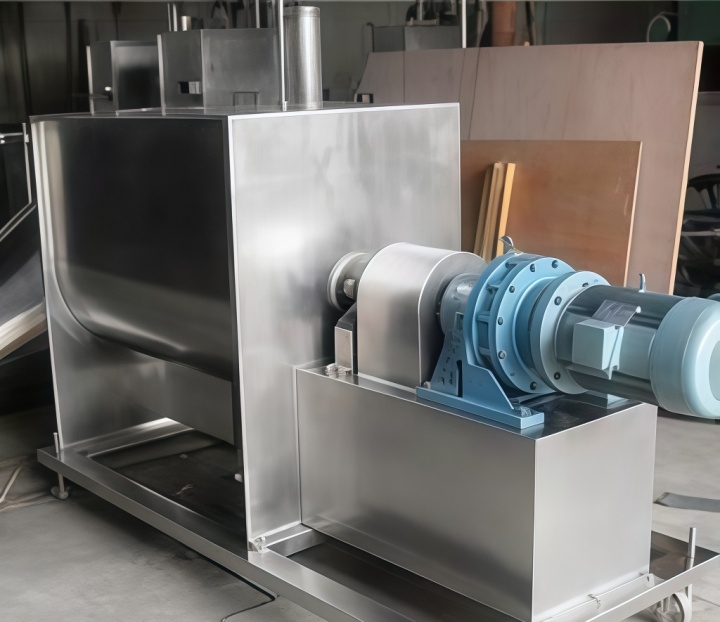
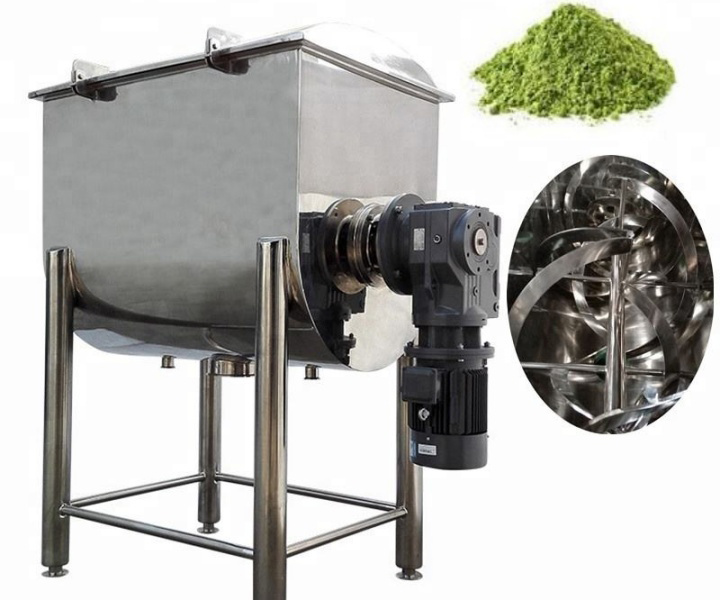
Yogurt powder consists of a dry blend of whole milk powder, active lactic acid bacteria, fruit sugar powders, and stabilizers, making density-driven segregation a major risk during storage and transit. A well-engineered Stainless Steel Ribbon Mixer for Yogurt Powder utilizes an inner and outer counter-rotating ribbon geometry. The inner ribbon pushes material outward toward the vessel ends while the outer ribbon moves powder inward, establishing a continuous three-dimensional convective flow without damaging active cultures.
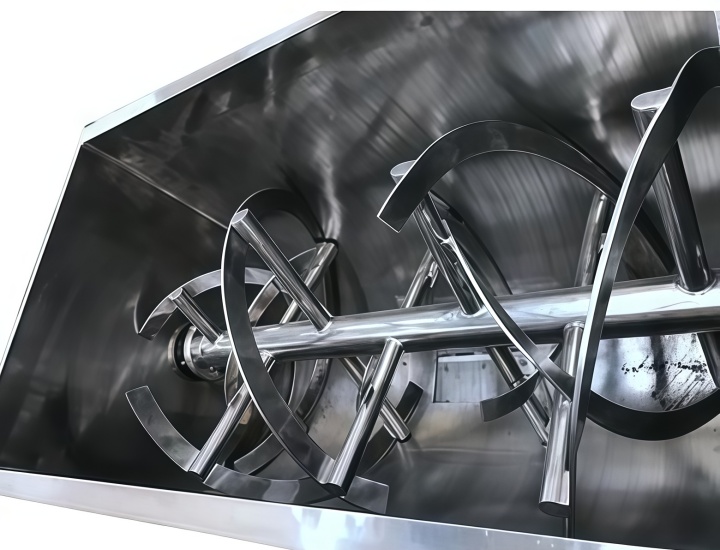
Ribbon pitch and radial clearances are set within tight millimeter tolerances to avoid perimeter dead zones
Gentle convective motion prevents mechanical damage to microencapsulated probiotic structures
Controlled rotational speeds limit thermal build-up and manage total mixing cycle times
Industrial procurement requires reviewing technical parameters that directly impact food safety, line availability, and batch repeatability.
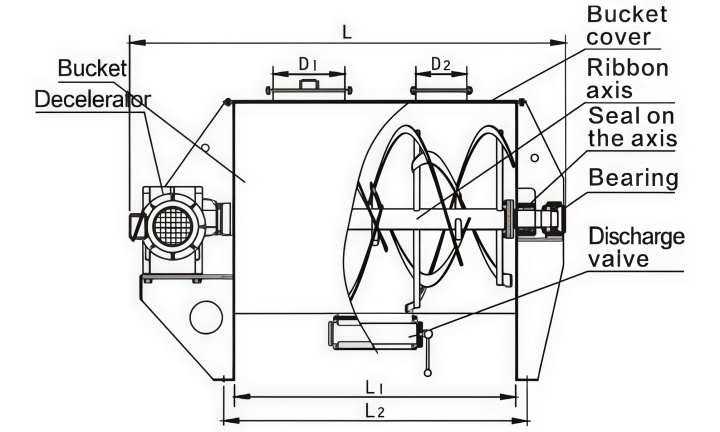
Material Grade for Stainless Steel Ribbon Mixer for Yogurt Powder
Product contact zones must be specified in 304 or 316L stainless steel compliant with FDA 21 CFR 177 and EC 1935/2004 food contact regulations. Internal surface finishes should achieve a surface roughness of Ra 0.4 µm or lower, with continuous smooth welds and radiused corners. This enables sanitary mixers to reduce powder adhesion and eliminate harborage sites for microbial growth.
Working Volume and Filling Coefficient Calculation
The total vessel volume of a Stainless Steel Ribbon Mixer for Yogurt Powder does not equal its working batch capacity. Determining proper processing scale requires calculating bulk density, targeting an optimal filling coefficient between 40% and 65%. Exceeding this range disrupts top-level convective splashing, while underfilling prevents the ribbons from engaging the powder, leading to higher coefficient of variation (CV) values.
Air-Purge Shaft Sealing Technology
Fine dairy powders and active cultures can migrate along rotating shafts into packing glands, causing seal degradation and product contamination. Modern processing units utilize air-purged mechanical shaft seals that inject oil-free, dry compressed air to maintain positive pressure, preventing dust egress and bearing contamination.
Comparing standard industrial designs against hygienic dairy-grade configurations highlights performance differences across corrosion resistance, wall adhesion, mixing precision, and discharge residue limits.
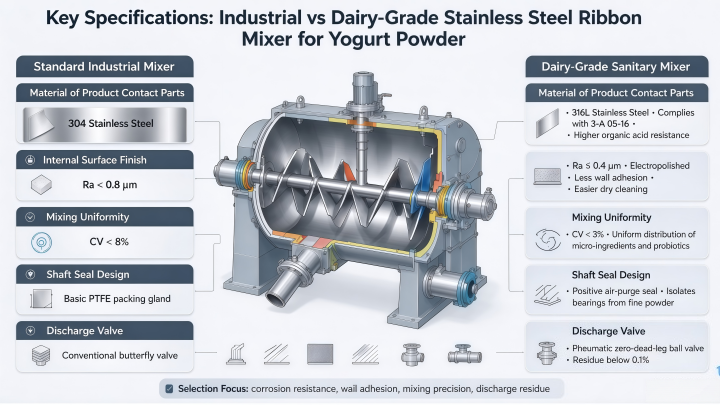
Contact Material: Standard industrial units use 304 stainless steel; dairy-grade configurations feature 316L stainless steel compliant with 3-A 05-16 sanitary standards for enhanced organic acid resistance.
Internal Surface Finish: Standard units feature Ra < 0.8 µm; specialized configurations achieve Ra ≤ 0.4 µm with electro-polishing to reduce wall sticking and streamline dry cleaning.
Mixing Uniformity: Standard industrial mixers yield CV < 8%; specialized configurations achieve CV < 3% to ensure uniform distribution of micro-ingredients and probiotics.
Shaft Seal Design: Standard units use basic PTFE packing glands; specialized configurations feature positive air-purge seals to isolate bearings from fine powders.
Discharge Valve: Standard configurations use conventional butterfly valves; specialized units integrate pneumatic zero-dead-leg spherical valves to keep residue below 0.1%.
Dairy production standards (such as FSSC 22000 and BRCGS) demand verified cleaning procedures and accessible maintenance points. Incorporating quick-disassembly covers, real-time seal pressure monitoring, and dry-steam sterilization compatibility helps streamline manual sanitation windows while reducing unplanned downtime and compliance risks.
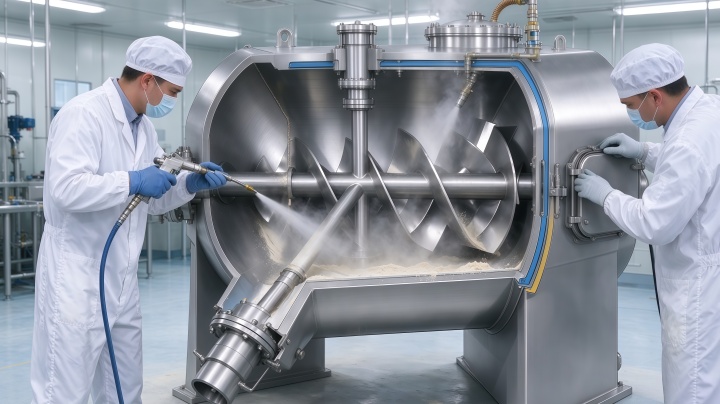
Quick-release ribbon assemblies and wide inspection doors reduce manual dry-wiping and color-changeover times
Routine checks of gear reducer oil levels and shaft seal pressure help prevent unexpected mechanical stops
Evaluating the long-term utility of processing machinery includes verifying compatibility with dry cleaning and localized sanitation routines
Below are field-verified engineering solutions for common operational challenges in yogurt powder blending lines.
Lactic acid bacteria in yogurt powder experience higher mortality rates when exposed to elevated temperatures. When specifying cooling options, limit the outer ribbon tip speed to 1.8 m/s and integrate a cooling jacket supplied with chilled water to maintain batch temperature rise within safe operational limits.
Yogurt powder formulations containing high-fat dairy bases or liquid flavorings tend to form agglomerates during initial blending. Equipping the mixer sidewall with high-speed lump breakers operating at 1,450 rpm allows local high-shear de-lumping while the main ribbons maintain global convective turnover.
Horizontal ribbon blenders with static shaft seals are generally ill-suited for full liquid CIP, as retained moisture can cause powder caking in subsequent batches. For dairy powder applications, standard sanitation protocols combine high-pressure oil-free air blowdowns, localized dry-steam application, and periodic manual wiping via quick-opening access points.
Fine yogurt powders generate electrostatic charges during high-speed convection, leading to vessel wall adhesion. Grounding the mixer assembly and applying electro-polished internal surfaces to the Stainless Steel Ribbon Mixer for Yogurt Powder minimizes static buildup and reduces residual wall cling during discharge.
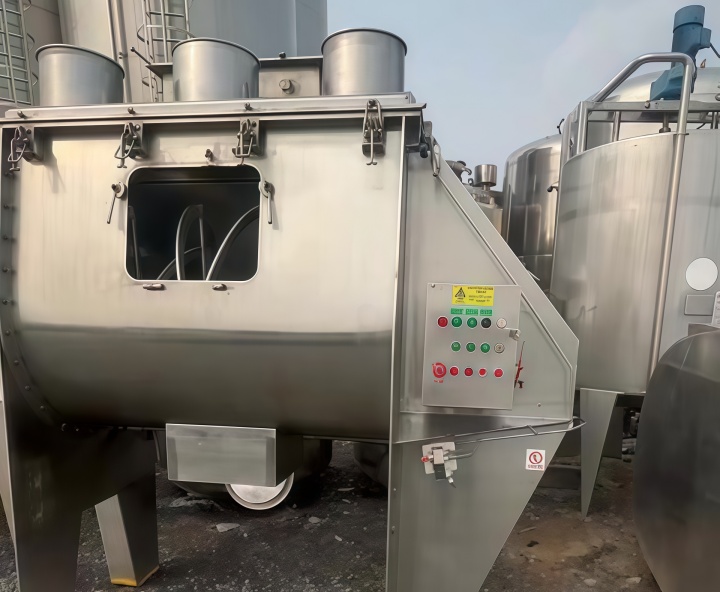
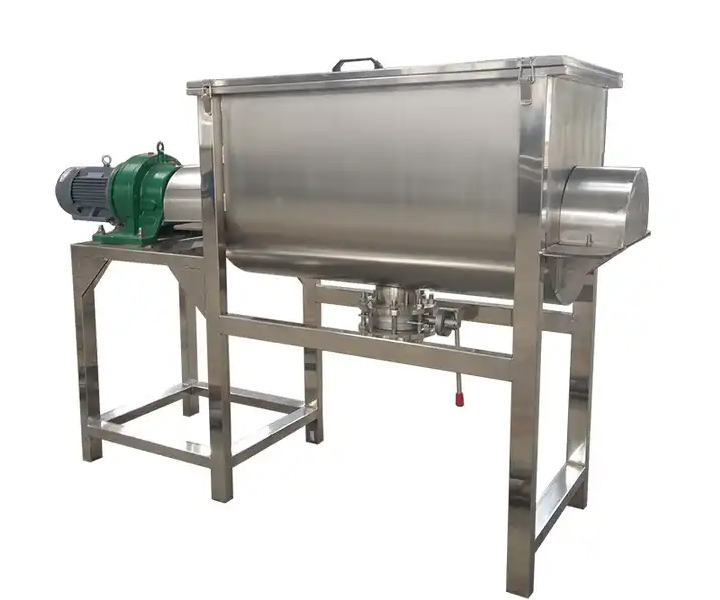
Selecting a Stainless Steel Ribbon Mixer for Yogurt Powder requires balancing material compliance, filling ratios, positive seal performance, and residue limits. Aligning these mechanical parameters ensures batch-to-batch consistency and satisfies global food safety audit requirements. Reviewing these specifications against target throughput and powder flow properties provides a solid foundation for equipment procurement and line integration.


Address:China,Yanjin county forest park gate to the west 1000 meters north road.


 Online Chat

 Email