


For dry powder processing projects, Industrial Powder Ribbon Mixer Selection requires comprehensive evaluation of material features, batch handling volume, equipment structure and maintenance conditions to mitigate risks during powder blending implementation.
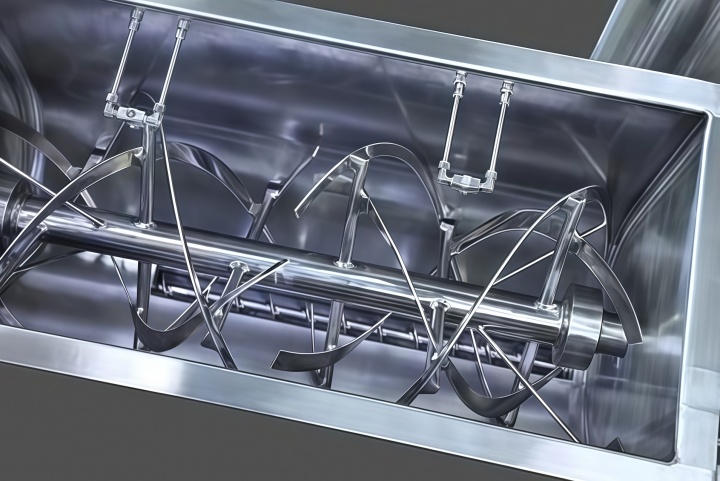
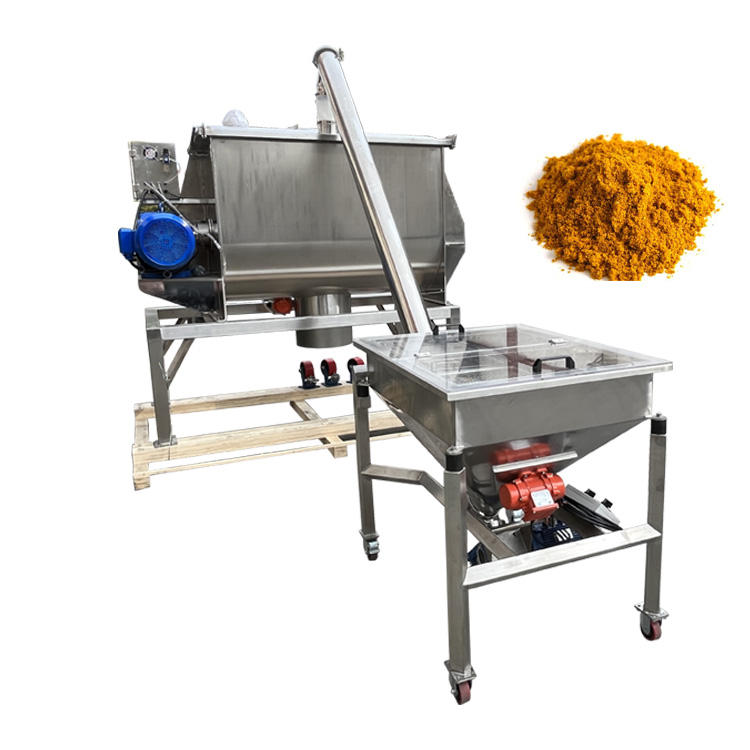
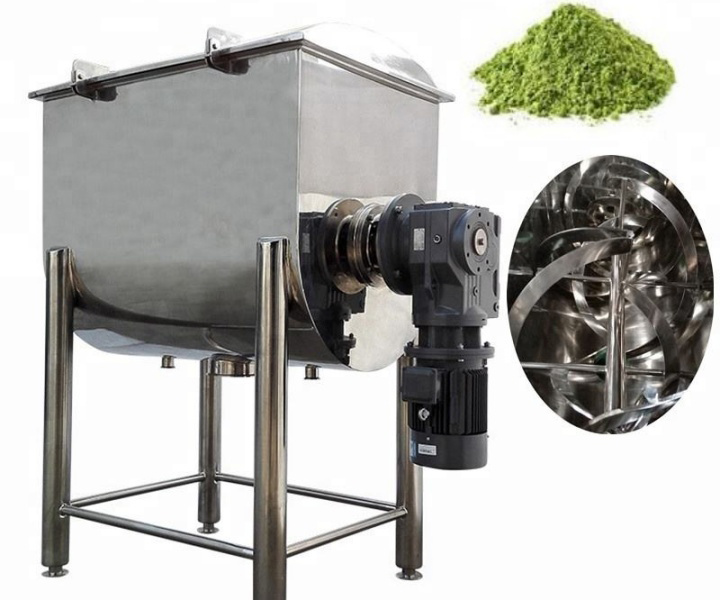
Widely deployed in chemical, food, building material and pharmaceutical powder production lines across the globe, this blender serves as a mainstream option for batch dry powder mixing. Equipped with internal and external ribbon convection stirring structure, it breaks up agglomerated powder and delivers uniform blending for bulk powder, compatible with both intermittent and continuous operation modes. Many buyers only compare equipment volume and quotation while ignoring material properties and site conditions. This oversight may lead to powder segregation, shaft-end powder leakage and unsatisfactory operating outcomes in trial production.
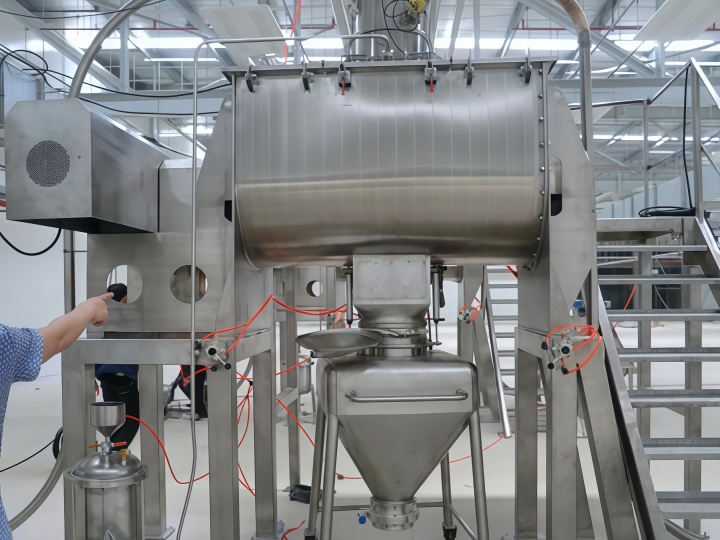
When conducting Industrial Powder Ribbon Mixer Selection, users need to confirm material types and clarify the process boundaries of ribbon blender. This unit fits batch dry powder blending with low-to-medium shear requirements. It is not suitable for fragile crystal powder, ultra-fine nano powder or high-viscosity paste materials.
It works for chemical powder, food seasoning powder, feed additives, mineral powder and construction powder. Mature application cases can be found in North American food ingredient plants, European premix workshops and Southeast Asian building material production lines. For processes requiring high shear or handling fragile active powder, users may explore alternative mixing units to reduce material degradation. For powder with large density disparity, global powder equipment manufacturers such as PerMix generally recommend pre-production trials to lower segregation risks and stabilize batch blending results.
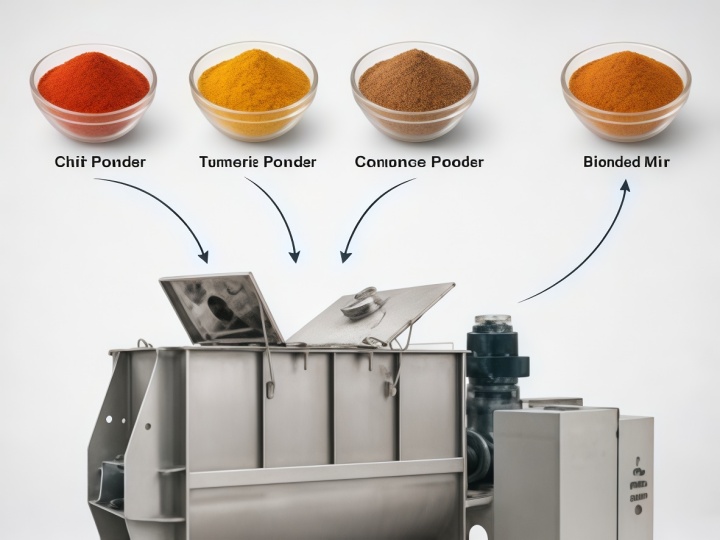
Material properties shape equipment compatibility. Most mismatches stem from insufficient powder parameter testing and equipment selection built merely on experience. When carrying out Industrial Powder Ribbon Mixer Selection, teams should sort out core powder indicators to avoid compatibility issues at an early stage.
Key evaluation items include powder bulk density, particle size and flow characteristics. Powder with uneven density tends to separate during stirring. Corrosion resistance, wear performance and moisture absorption tendency of materials also need assessment. For sticky powder, tight control over cylinder inner clearance helps reduce residue buildup. For explosive-prone and hygienic-grade powder, customized configurations are available, with explosion-proof designs referencing ATEX (EU) or North American dust explosion specifications.
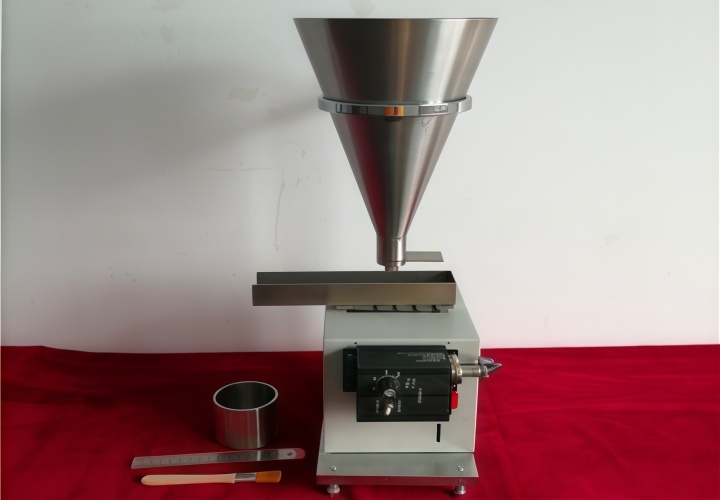
Proper volume matching stabilizes blending performance and prevents underloading or overloading. Many evaluators only refer to nominal volume rather than effective working capacity, which brings inconsistent operation results. During Industrial Powder Ribbon Mixer Selection, teams should calculate handling volume based on actual production shifts instead of equipment label parameters.
According to technical resources from PowderProcess.net, industrial dry powder ribbon blenders operate within a filling range from thirty to seventy. Operating outside this range may create dead zones and incomplete mixing. Space reservation is advised to accommodate future production line adjustments.
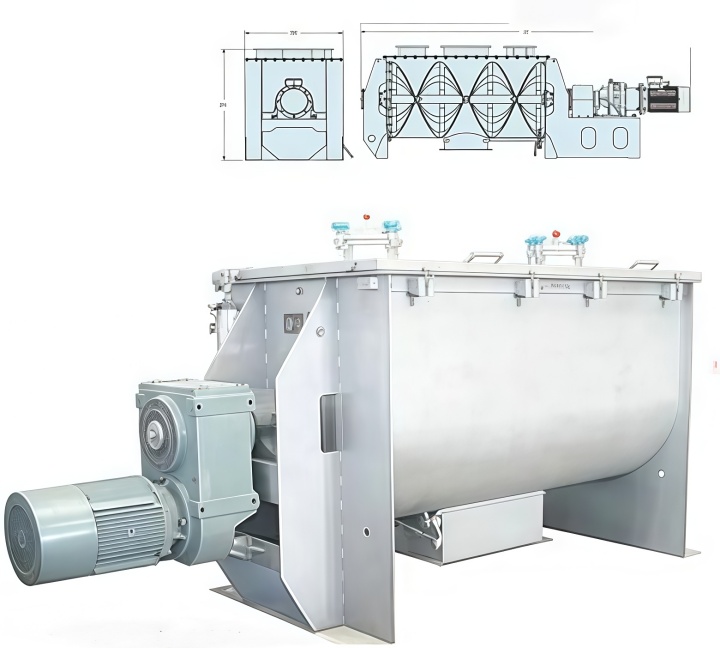
Material selection for cylinder, ribbon and sealing parts affects contamination risk, component wear rate and line runtime. Sealing assembly is an easily overlooked factor during ribbon blender evaluation. Industrial Powder Ribbon Mixer Selection should cover material specifications of cylinder, ribbon and seals. Configurations vary greatly across working conditions, and proper specification helps reduce fault occurrence.
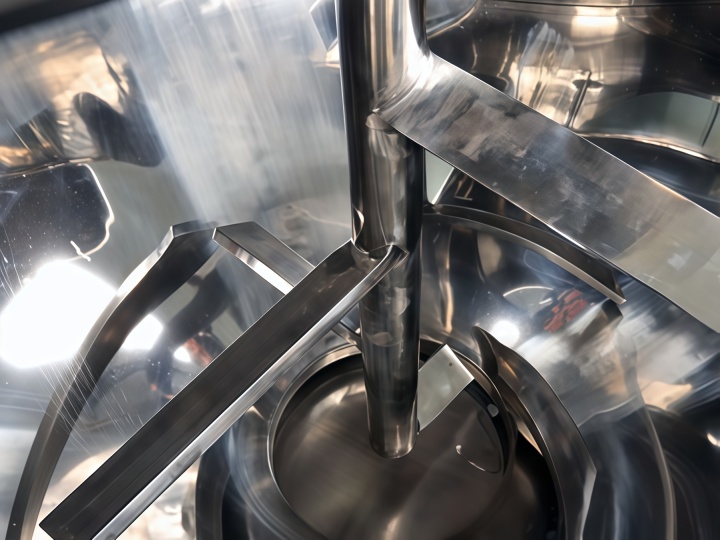
Carbon steel is an option for ordinary dry powder. 304 or 316 stainless steel suits food, pharmaceutical and corrosive powder applications. Mirror polishing can be applied for pharmaceutical use to meet GMP hygiene standards. Shaft-end sealing fits fine powder service to limit dust ingress that causes bearing jamming and leakage. Large door discharge design cuts down material residue for processing agglomeration-prone powder.
Initial quotation alone cannot represent full project expenditure. Efforts for cross-formula cleaning, spare part turnover and safety compliance all contribute to overall investment. While executing Industrial Powder Ribbon Mixer Selection, teams need to balance short-term operation and long-term status to avoid excessive hidden expenditure.
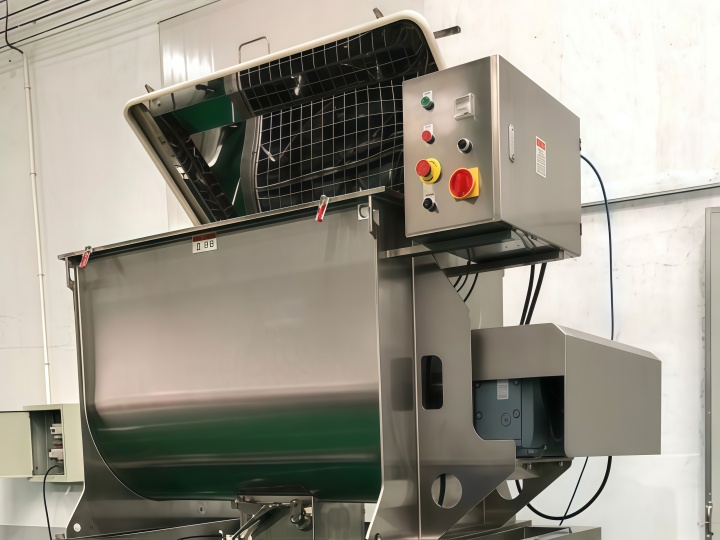
For production lines switching between multiple powder formulas, units supporting manual cleaning or CIP cleaning shorten downtime between batches. For explosive-prone powder, devices can be fitted with dust explosion protection, grounding and emergency stop interlocks to meet regional safety specifications. Motor torque shall match material resistance to lower the chance of unit jamming when processing high-density powder.
The table below lists field parameters to verify for fast compatibility screening. It helps shorten assessment cycles and reduce missing information in communication. In the stage of Industrial Powder Ribbon Mixer Selection, practitioners can use this checklist for preliminary verification.
| Check Item | Information to Confirm |
| Powder Parameters | Bulk density, moisture absorption tendency, corrosion potential |
| Production Requirement | Weight per batch, daily handling volume, blending uniformity standard |
| Blending Target | Low coefficient of variation requirement, restriction on material breakage |
| Environment Compliance | Explosion protection demand, hygiene specification for food or pharmaceutical use |
| On-site Condition | Frequency of formula switch, space limit for equipment installation |
Sorting core judging criteria for powder mixing equipment is the core of Industrial Powder Ribbon Mixer Selection. From material property verification, volume matching, component selection to safety and maintenance planning, proper selection reduces common troubles including powder segregation, shaft leakage, insufficient output and frequent breakdown.
Buyers can organize powder test data, site conditions and compliance requirements to identify equipment matching their process needs and maintain stable line operation.
Many practitioners encounter similar questions during Industrial Powder Ribbon Mixer Selection, as listed below:
A: Standard blenders are built for dry powder blending. Confirm ribbon clearance and discharge structure before adding small amounts of liquid. Excess liquid may lead to powder sticking and caking. Custom designs with spray and anti-caking treatment are available for such cases.
A: With suitable filling level and mixing duration, the coefficient of variation (CV) generally stays below five. This reference is adopted by AFIA and FEFAC for premix products. Powder particle difference and feeding sequence will influence final blending status.
A: Most blenders adopt detachable ribbon assemblies. Worn ribbons can be replaced with separate spare parts. Confirm specification of ribbon and main shaft to ensure fit during on-site assembly.
A: Differences arise from ribbon geometry, motor torque and internal cylinder clearance. Nominal volume alone cannot predict actual handling performance, and measured process data is required for reference.


Address:China,Yanjin county forest park gate to the west 1000 meters north road.


 Online Chat

 Email