


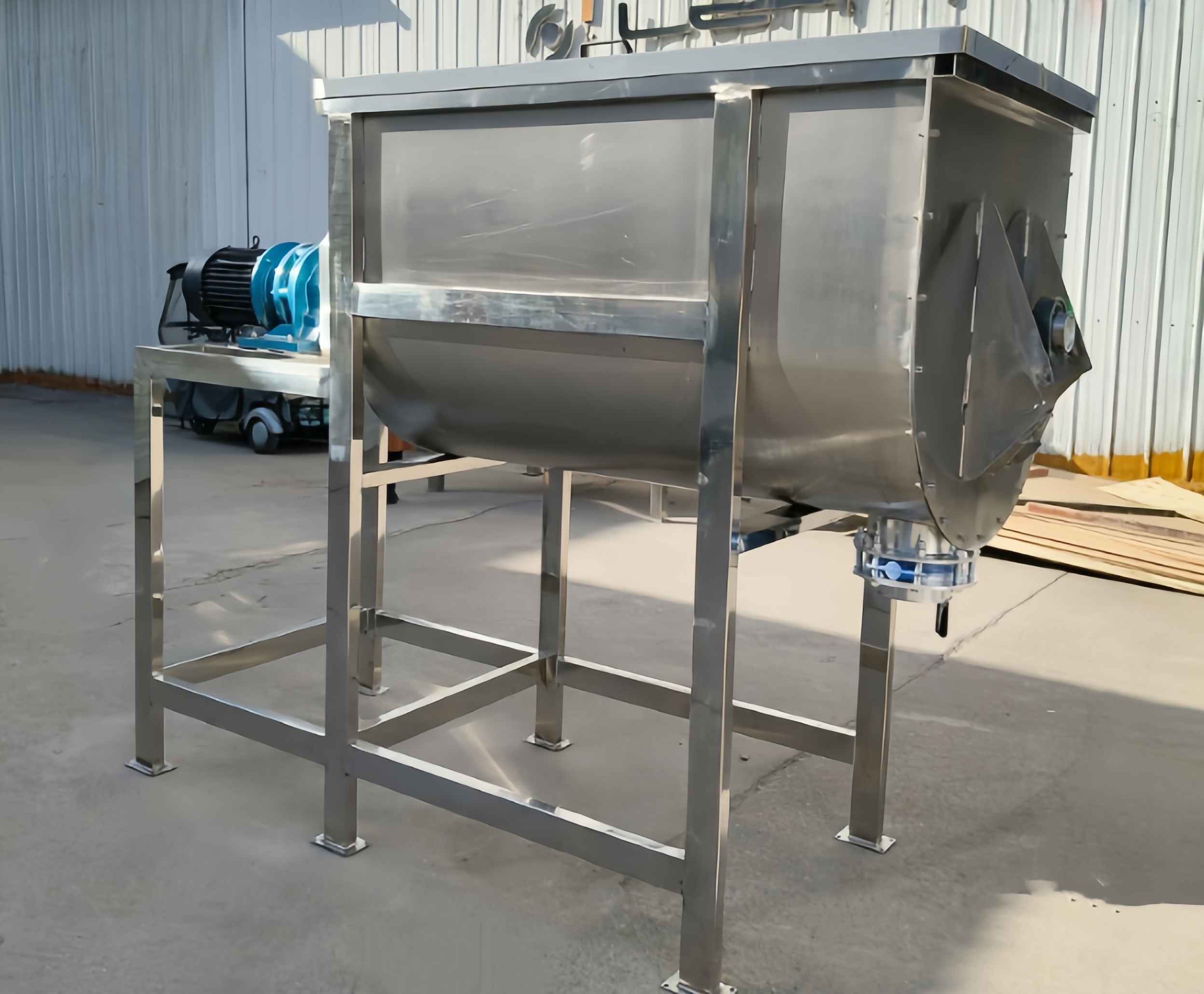
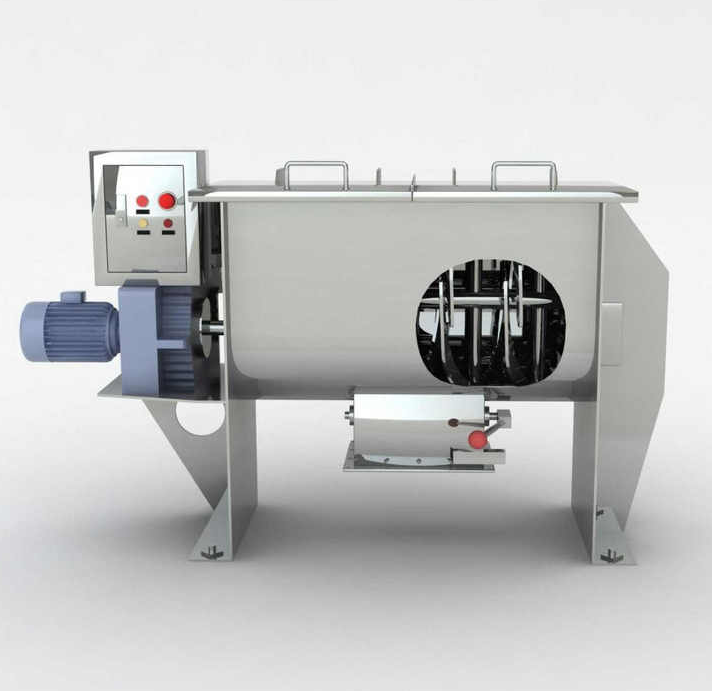
Double ribbon mixer features a unique double-helix ribbon rotor design, enabling materials to undergo multiple motion modes within the drum, including convection, shearing, and diffusion. This results in highly uniform mixing in a shorter time. Compared to traditional single-ribbon or paddle mixers, the double-ribbon structure demonstrates significant advantages when handling viscous materials or mixing components containing fibers or granules. It combines gentle stirring with powerful diffusion, effectively reducing material breakage and improving batch stability.
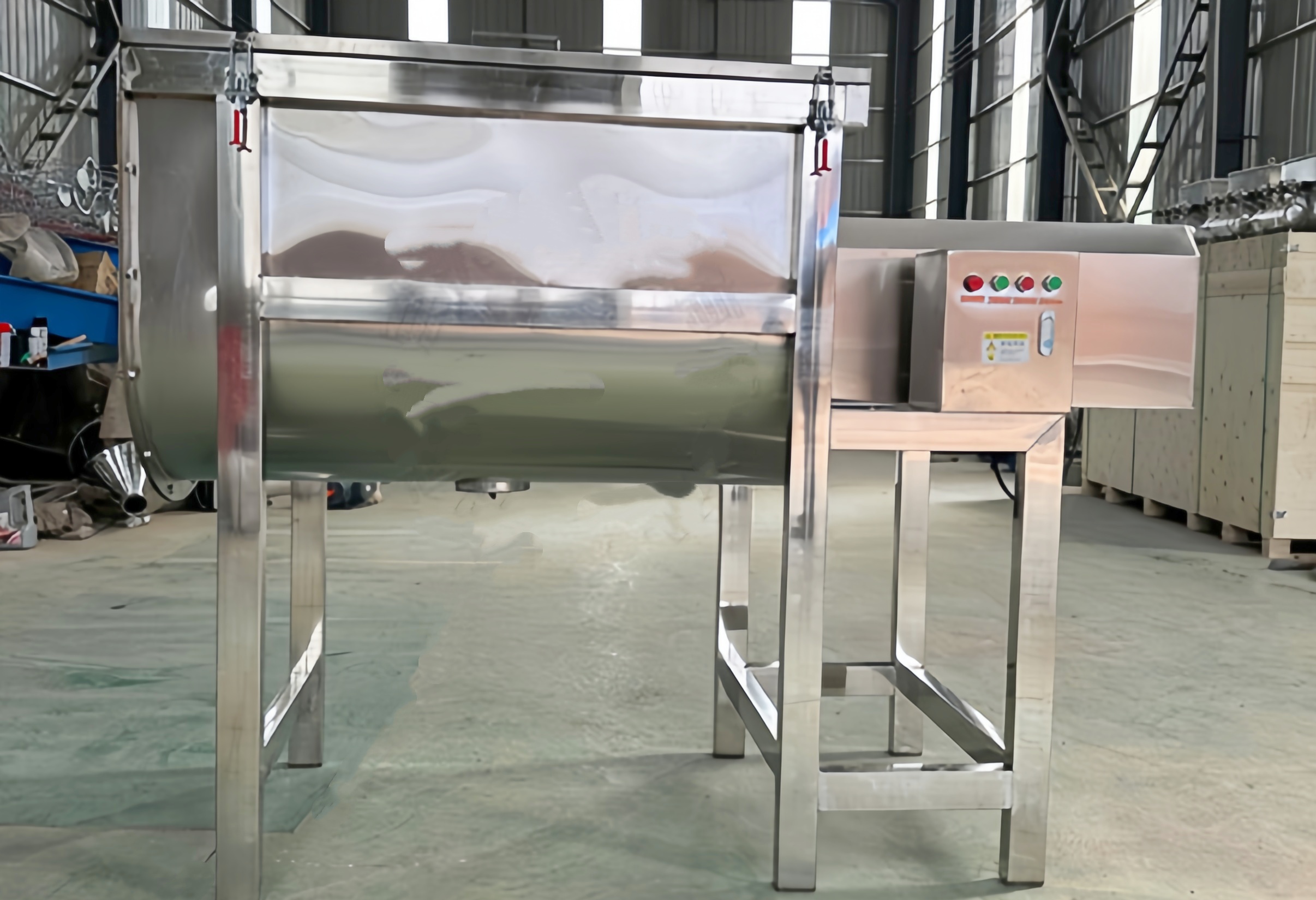
The materials used in double ribbon mixers can be selected from carbon steel, stainless steel, or wear-resistant liners, depending on process requirements. Volumes range from small laboratory models (tens of liters) to large industrial models (tens of thousands of liters). Configurations can also be expanded to include heating, cooling, liquid spraying, and vacuum functions to adapt to complex production scenarios. Due to differences in model specifications, material selection, customization levels, and brand technology, the price of double ribbon mixers varies considerably.
| Total Volume (L) | Working Volume (L) | Motor Power (kW) | Material Option | Estimated Price Range |
| 100L | 40L-70L | 2.2kW | Full Stainless Steel 304 | $1,200-$2,200 |
| 300L | 120L-210L | 4.0kw | Carbon Steel Full Stainless Steel 304 | $1,600-$4,200 |
| 500L | 200L-350L | 5.5 kW-7.5 kW | Carbon Steel Full Stainless Steel 304 | $2,300-$6,500 |
| 1000L | 400L-700L | 11kW | Carbon Steel Full Stainless Steel 304 | $3,500-$11,000 |
| 2000L | 800L -1400L | 15kW-18.5kW | Carbon Steel Full Stainless Steel 304 | $5,800-$18,500 |
The price of a double ribbon mixer is determined by its materials, capacity, drive system, and level of customization. Understanding these core factors helps you see the true value of the equipment through the quote and avoid paying for unnecessary configurations.
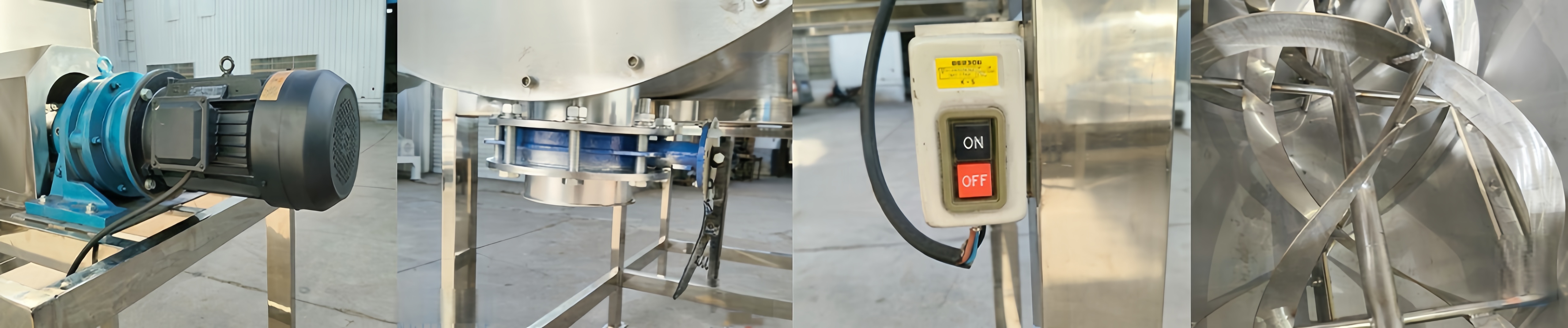
Materials: Material is the primary factor affecting the basic cost of the equipment. Parts of a double ribbon mixer that come into contact with materials are typically made of carbon steel, 304 stainless steel, or 316L stainless steel. Carbon steel is wear-resistant and economical, suitable for applications such as mineral powders and building materials where hygiene is not a major concern. However, the food, pharmaceutical, and fine chemical industries require stainless steel to ensure corrosion resistance and pollution-free production. Upgrading the material often means a significant increase in the budget.
Capacity and Specifications: The effective volume directly determines the amount of material used and manufacturing time, making it a hard indicator for pricing. The price range is vast, from small laboratory machines of tens of liters to large machines of tens of cubic meters on industrial production lines. Generally, the larger the capacity, the higher the specifications required for the cylinder, ribbon shaft, and support structure, and the more difficult the welding and assembly become.
Drive and Motor: The configuration of the power system directly affects the mixing effect and operating energy consumption. Motor power needs to be precisely calculated based on the material's bulk density, viscosity, and total load. Higher power corresponds to higher costs for the motor, reducer, and coupling. Furthermore, there is a significant price difference between ordinary three-phase asynchronous motors and explosion-proof, variable frequency speed control, and energy-saving motors.
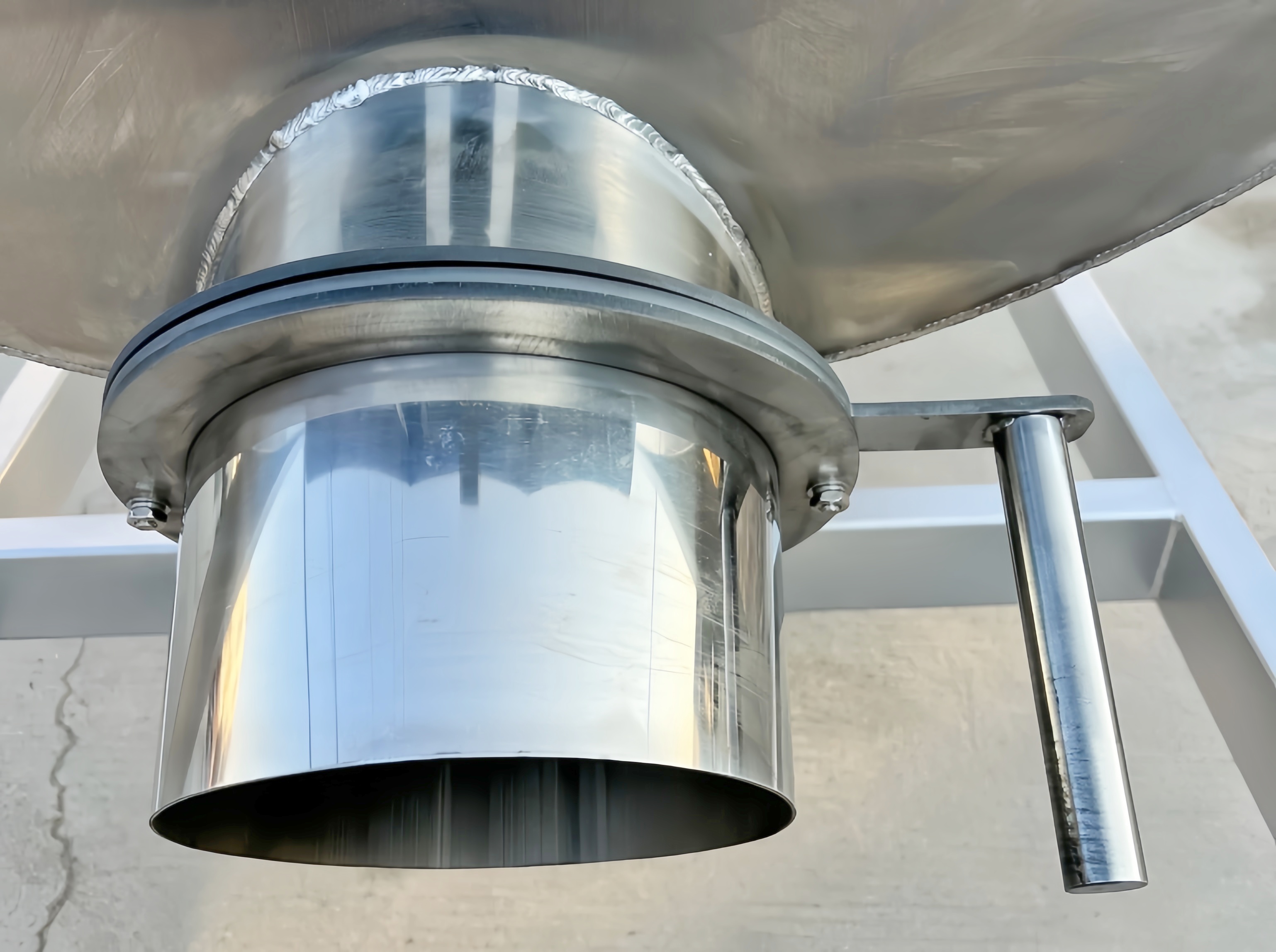
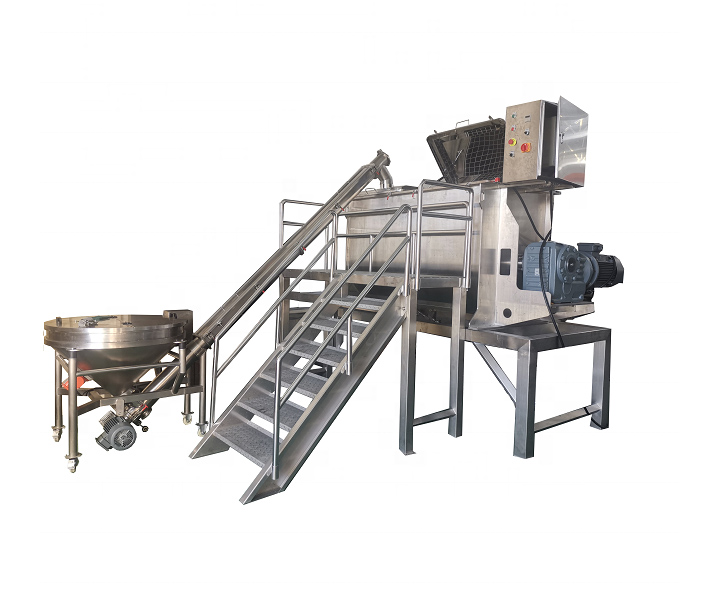
Customization Needs: Standardized equipment prices are relatively transparent, while customization is the core variable causing price differences. Common customization directions include: adding heating/cooling jackets to meet constant temperature mixing processes; equipping with a liquid spraying system for liquid addition; designing vacuum or pressure-resistant machine covers; optimizing the discharge valve type; and adding wear-resistant liners or spraying hard alloy coatings to the ribbon and inner wall of the cylinder for highly abrasive materials. In addition, non-standard interface sizes, integration of automatic control systems, and modifications to existing production lines will increase design and assembly time, thus driving up the final price.
When selecting a twin-ribbon mixer to fit your budget, we first determine the equipment volume based on production capacity. Small-batch production can use a small-capacity model, while large-scale production requires a larger capacity. Secondly, we select the material based on the material. For ordinary powders, carbon steel is chosen to control costs, while for food, pharmaceutical, and corrosive materials, stainless steel is recommended. Additional configurations such as explosion-proof motors, jacketed heating, and sealed dust collection will increase costs accordingly. We prioritize matching basic usage needs and avoid blindly pursuing high-end configurations. You can also contact us directly, and we will arrange a technical engineer to provide you with a perfect mixing solution to maximize cost savings and ensure mixing results.
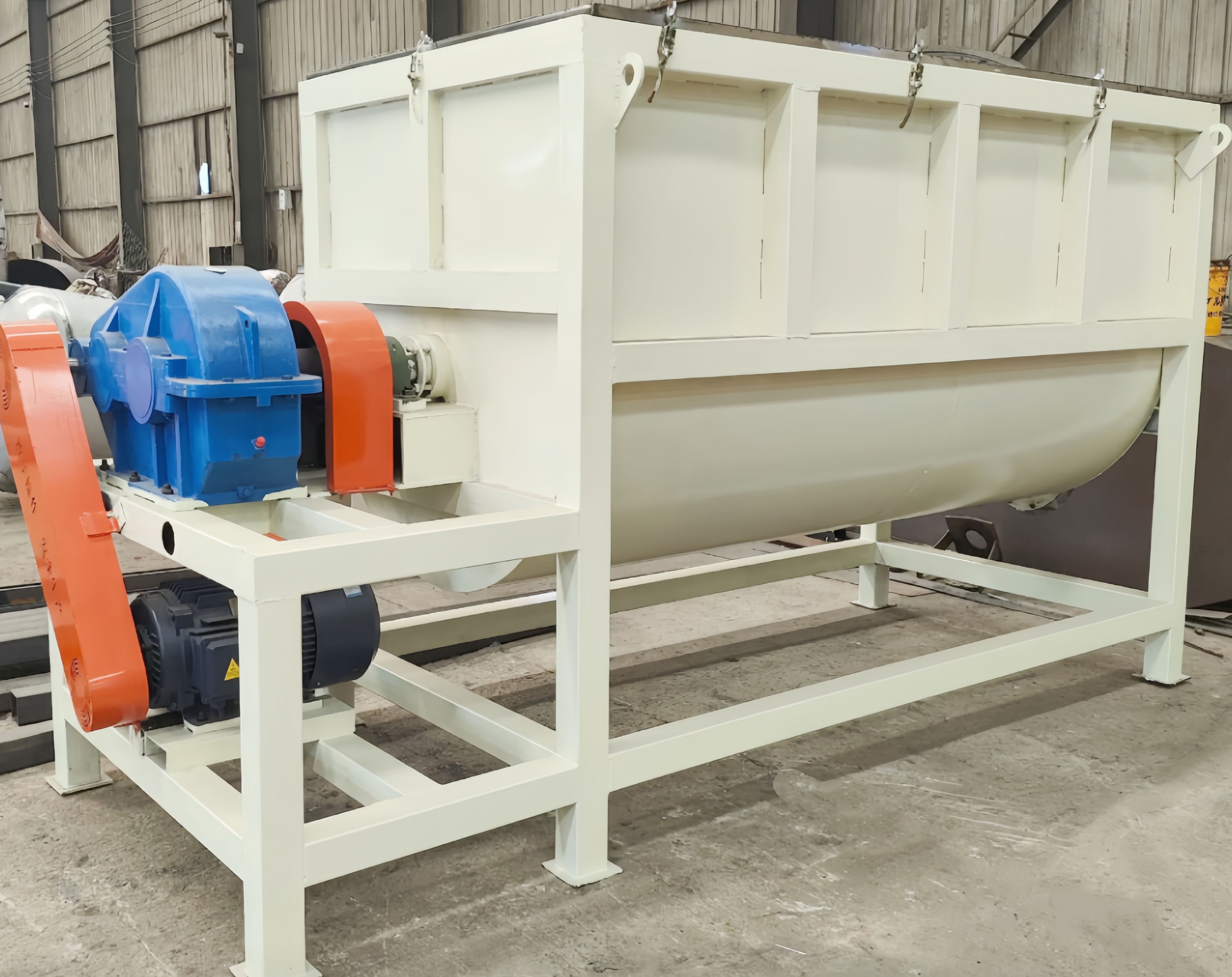
We possess mature technology, flexible customization solutions, and a transparent pricing system. We are committed to providing high-performance, cost-effective twin-ribbon mixers. Choosing us is not just choosing equipment, but also choosing reliable long-term support.
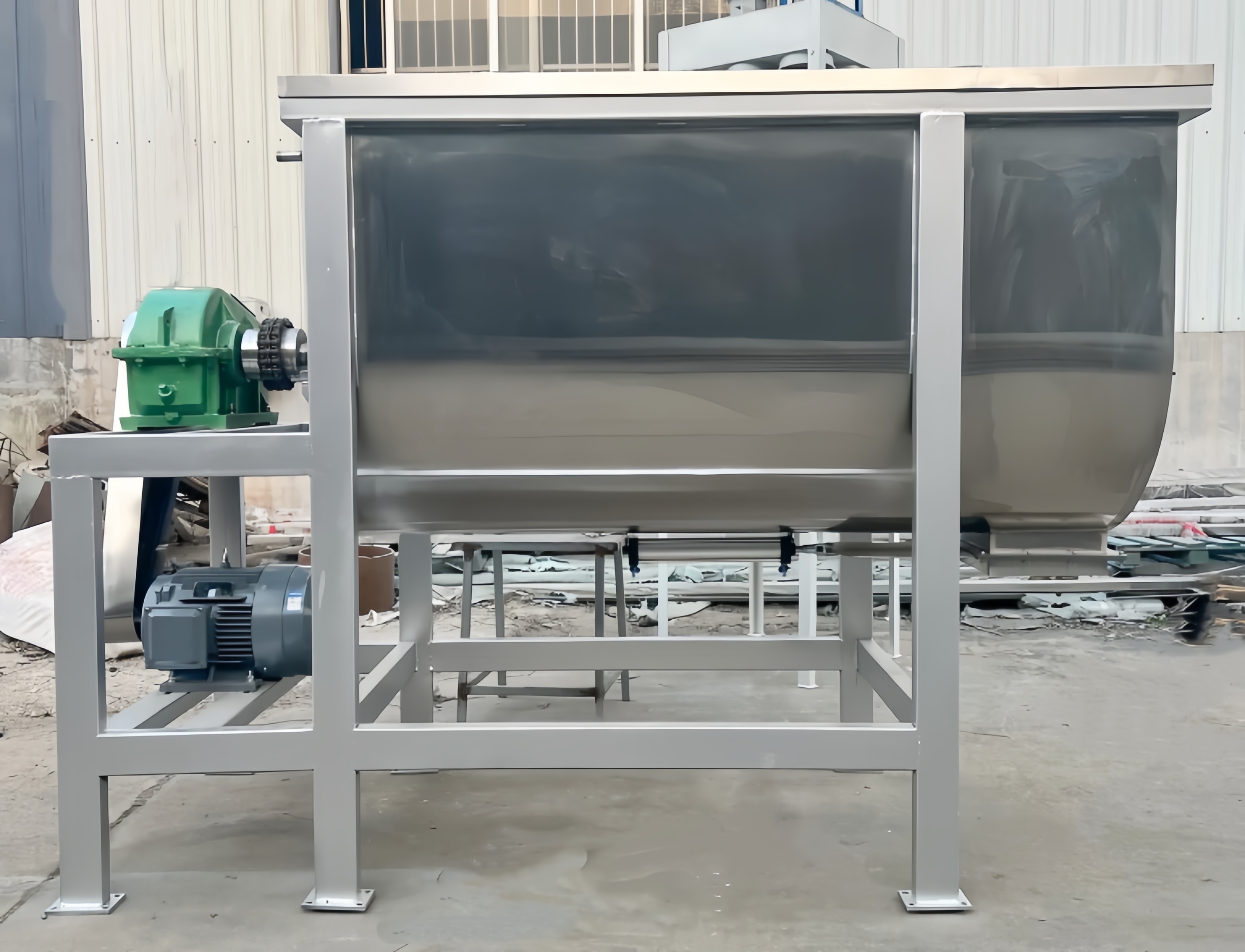
Stable Supply: We have a professional production workshop and a mature production capacity system. We have ample stock of complete machines and spare parts, enabling us to deliver orders on time and as needed, eliminating delays. From raw material procurement to finished product inspection at every stage, the equipment is robustly constructed and operates stably, capable of meeting continuous production needs for extended periods.
Flexible Customization: Models can be customized based on material characteristics, production capacity requirements, and site conditions. Materials, motors, seals, heating, and other configurations can all be flexibly adjusted.
High Cost-Effectiveness: Direct from the manufacturer: Eliminating intermediaries, we offer competitive pricing and a price advantage for comparable quality. Our professional technical team provides one-stop service including installation guidance, on-site design, and drawing planning, with full follow-up on usage issues, ensuring a worry-free and reliable partnership.


Address:China,Yanjin county forest park gate to the west 1000 meters north road.


 Online Chat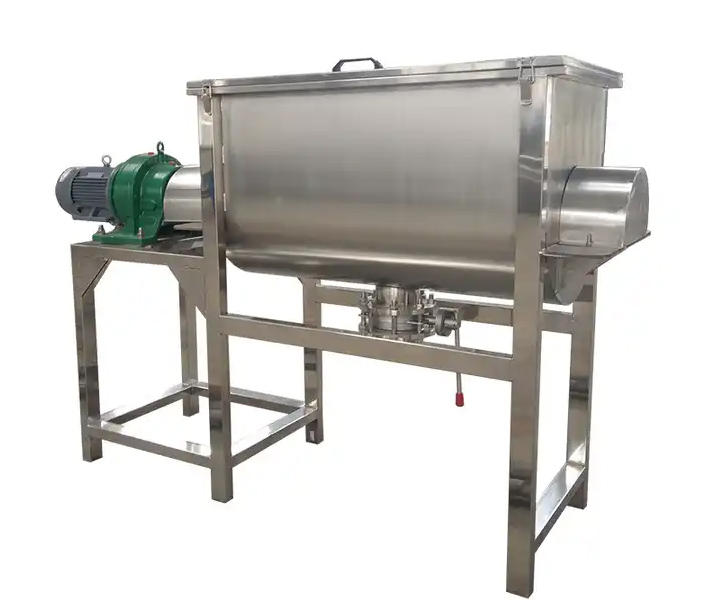
 Email
Email