


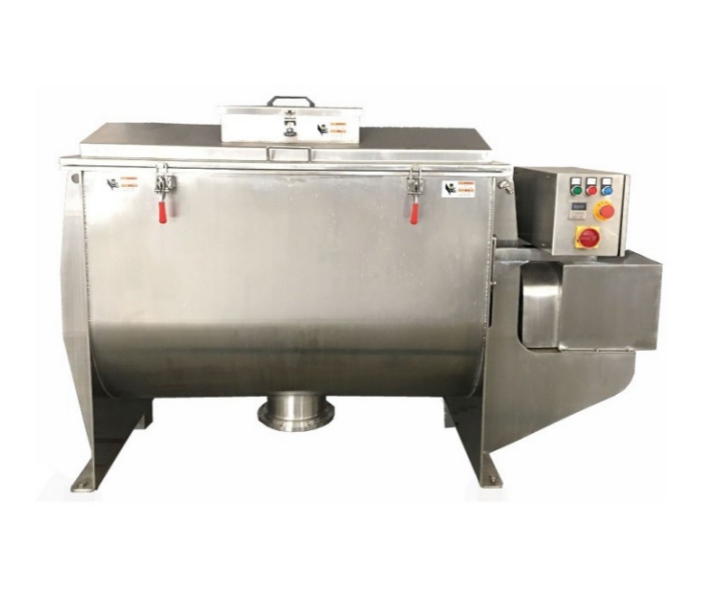
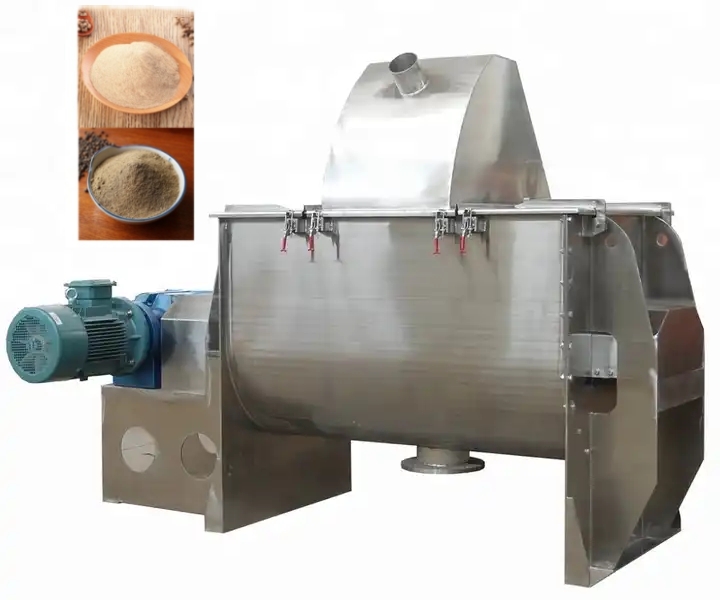
Horizontal Mixer for Building Materials employ a twin-shaft paddle or ribbon structure. Through forced convection and shearing, they achieve uniform mixing of powders, granules, and small amounts of liquid in a short time. Their mixing uniformity is far superior to vertical mixers. Furthermore, the horizontal design results in low residue and rapid unloading, significantly improving the economic efficiency of continuous production line operations. The actual performance, lifespan, and operational stability of a horizontal mixer highly depend on the manufacturer's R&D accumulation and process control. From the wear-resistant alloy formulation of the mixing blades to the machining precision of the multiple sealing structures at the shaft ends, and the integrated control scheme between the entire machine and upstream and downstream equipment, every detail tests the manufacturer's professional expertise. Therefore, when selecting mixing equipment, assessing the manufacturer's technical strength, industry reputation, and targeted service capabilities is often more crucial than simply comparing product parameters.
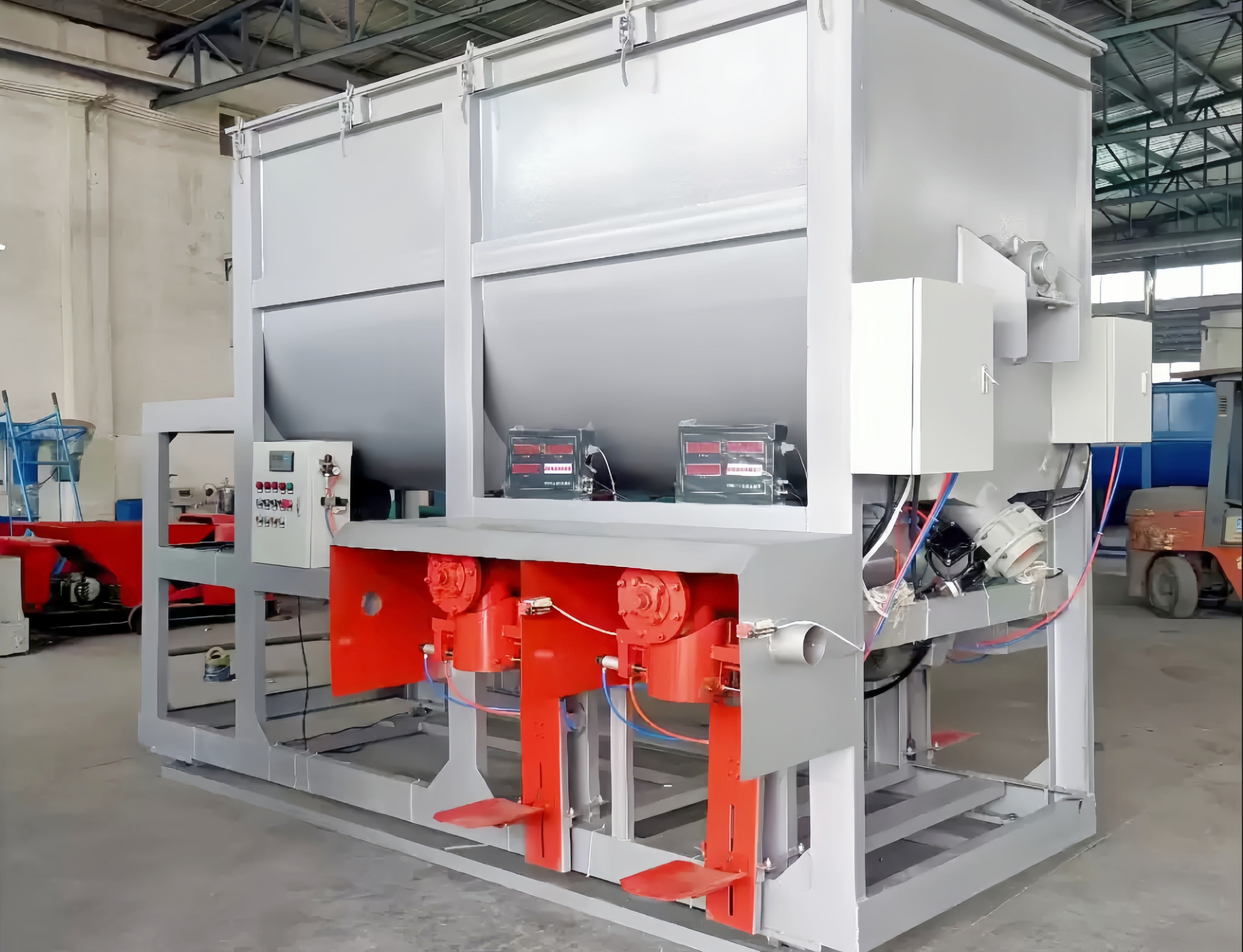
Horizontal mixers are core mixing equipment in building materials production lines. Their performance directly affects product quality and production capacity. Choosing a manufacturer requires a comprehensive evaluation of key factors such as mixing uniformity, wear-resistant sealing structure, core component configuration, industry experience, and after-sales service.
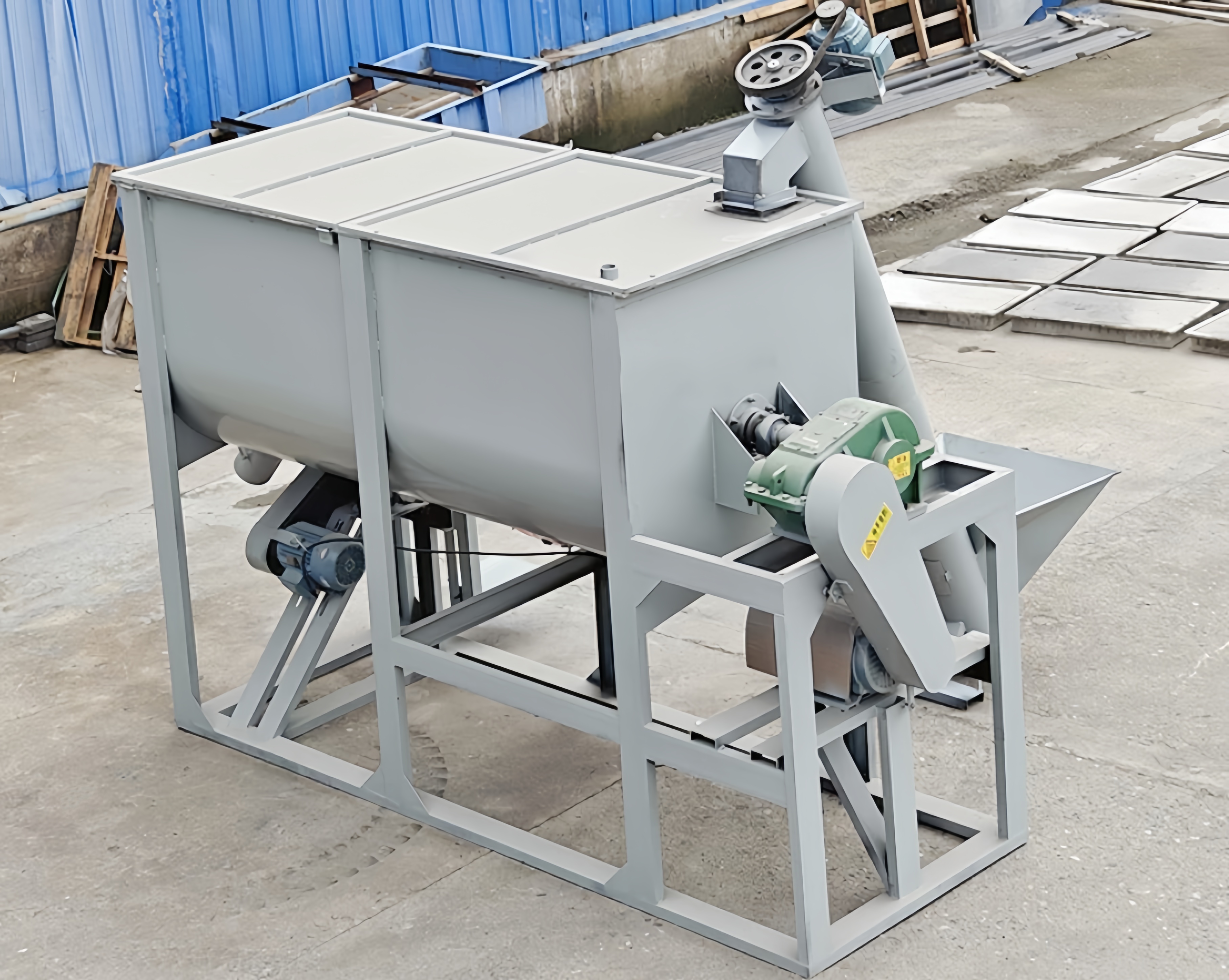
Material properties and abrasion resistance: Building materials, such as quartz sand, cement, and aggregates, are highly abrasive. If you are dealing with abrasive aggregates, avoid using standard carbon steel mixers. Choose mixers with a mixing belt made of manganese steel, SS304/316, or a special tungsten carbide coating to ensure a longer service life.
Capacity and bulk density: Never buy a mixer based solely on volume; you must calculate based on weight and bulk density to ensure the motor power is high enough to start the mixer when fully loaded with heavy building powder.
Agitator design: Belt mixers vs. paddle mixers. Belt mixers are best suited for dry, free-flowing powders. They provide excellent convection mixing.
Paddle mixers: Ideal for materials containing fragile aggregates or when liquids need to be added, as they generate less friction and heat.
Sealing and discharge mechanisms: Fine building powders are prone to leakage, causing dust hazards. Choose a horizontal mixer with a pneumatic air-purge seal. For discharge, a full-bottom hatch is recommended instead of a small disc valve to prevent dead zones.
| Model | LHY-0.25 | LHY-0.5 | LHY-1 | LHY-1.5 | LHY-2 | LHY-3 | LHY-4 | LHY-6 | LHY-8 | LHY-10 |
| One-time mixing (kg) | 100-150 | 200-300 | 400-600 | 600-900 | 800-1000 | 1200-1800 | 1600-2400 | 2400-3600 | 3200-4800 | 4000-6000 |
| Mixing time (min) | 8-20 | 8-20 | 8-20 | 8-20 | 8-20 | 8-20 | 8-20 | 8-20 | 8-20 | 8-20 |
| Mixing speed (r/min) | 60 | 55 | 45 | 40 | 35 | 25 | 25 | 20 | 15 | 15 |
| Motor power (kw) | 3-5.5 | 4-11 | 7.5-15 | 11-18.5 | 15-22 | 18.5-30 | 22-37 | 37-55 | 37-55 | 45-75 |
| Weight (kg) | 500 | 900 | 1800 | 2500 | 3200 | 4100 | 5100 | 6300 | 7500 |
Horizontal mixers are core mixing equipment in building materials production lines. Their mixing uniformity, wear life, and operational stability directly determine product quality and cost. We should understand the manufacturer from multiple perspectives.
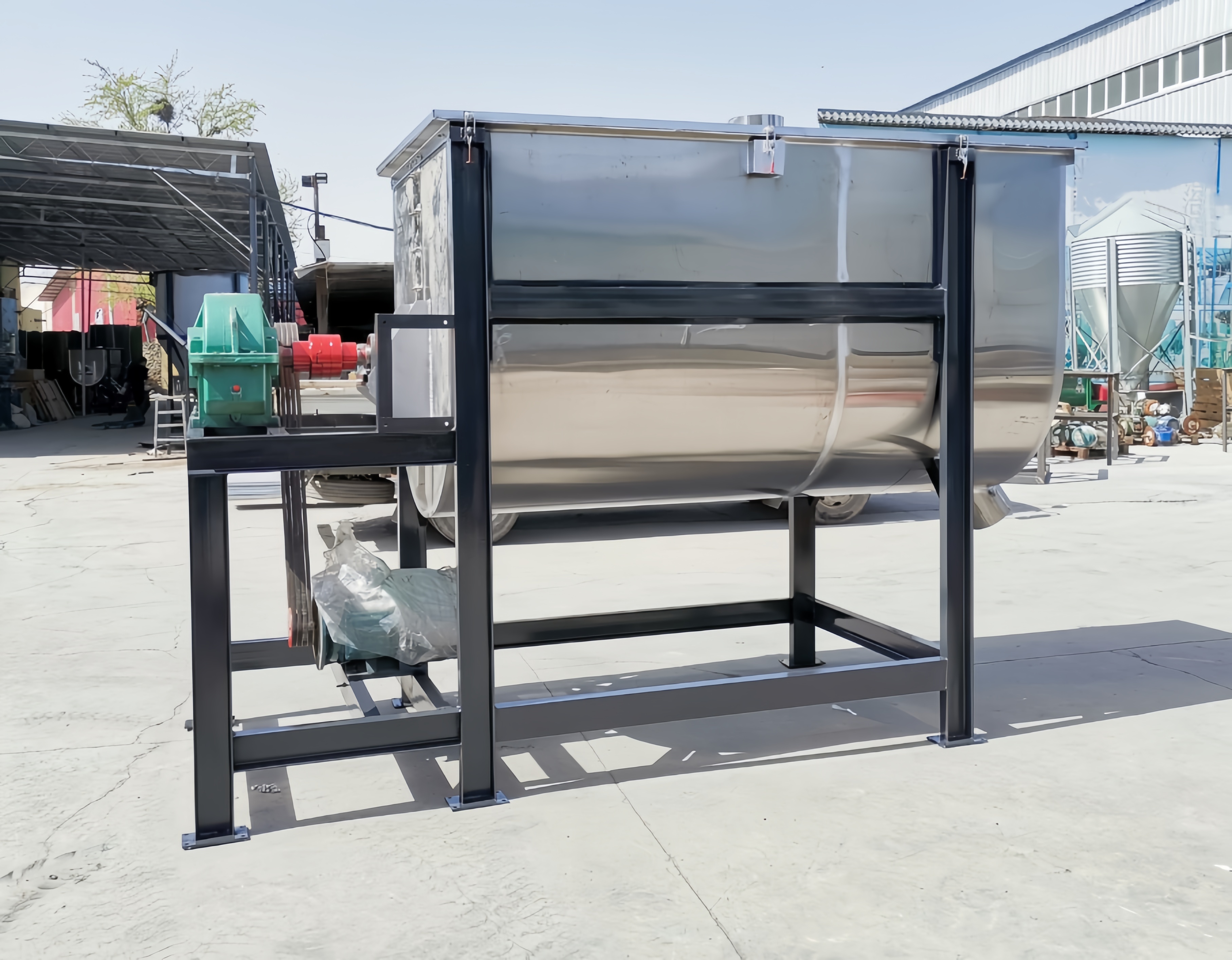
Mixing uniformity: Request a mixing uniformity test report for the specific material and examine whether the mixing time meets production capacity requirements.
Wear-resistant sealing structure: Check the mixing blades, liner material, and ease of replacement; whether the shaft end seal structure prevents mortar leakage and bearing dust ingress.
Discharge door design: Evaluate the discharge door opening angle, sealing method, and whether there are inefficient mixing zones inside the tank. Key Component Configuration: Clearly state the brand and origin of core components such as the motor, reducer, bearings, and hydraulic system, and whether original manufacturer certificates are provided.
Production Qualifications: Verify ISO 9001, CE, and other certifications, and examine their application cases and operating time in similar equipment within the building materials industry.
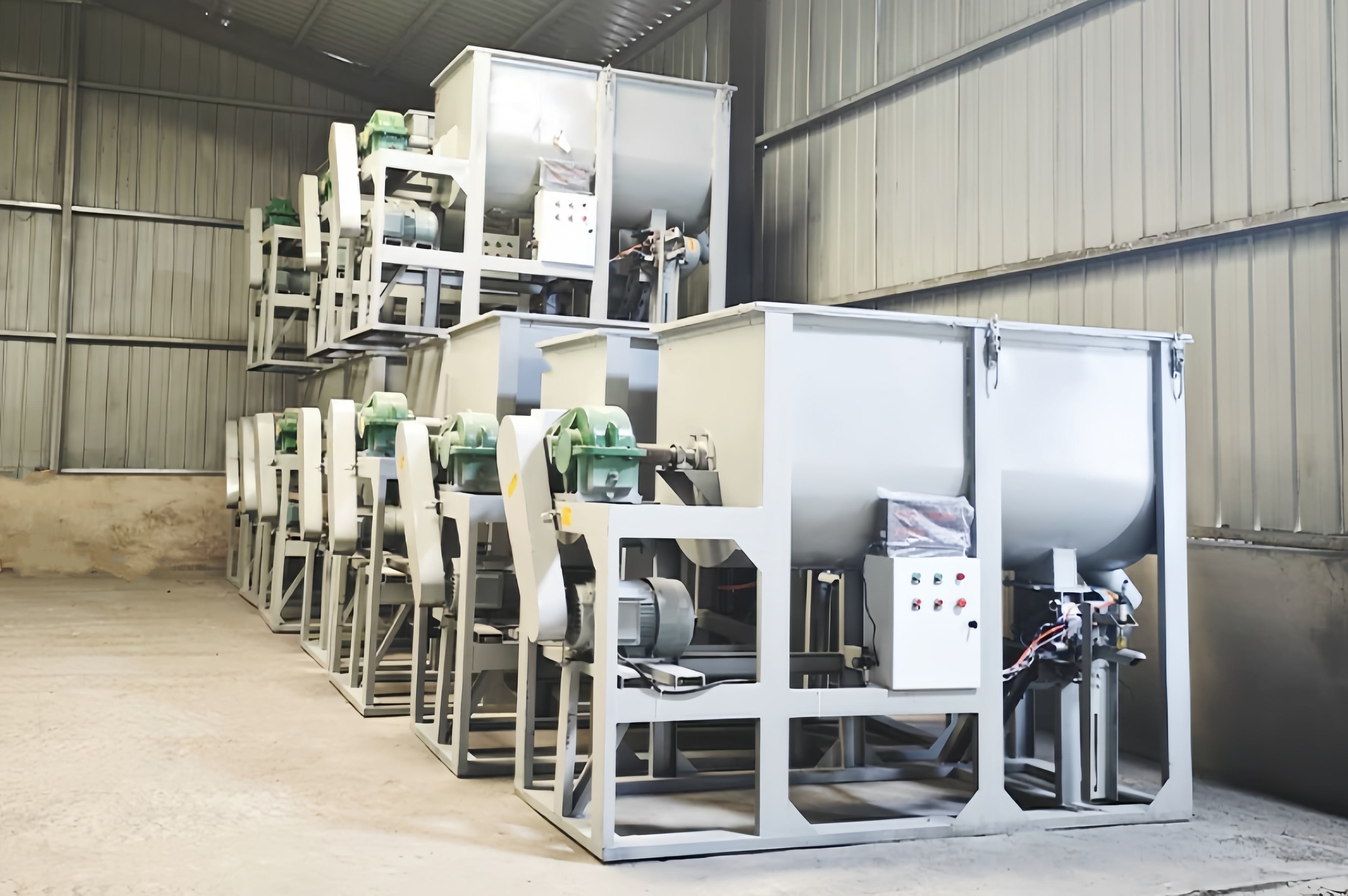
What is the delivery time for a customized horizontal mixer for dry mortar?
Standard models take about 15–20 days. For fully customized building material mixing systems, production ranges from 30 to 45 days.
Can the horizontal mixer handle liquids or wet aggregates?
Yes. We can equip the horizontal ribbon blender with liquid spray nozzles to evenly introduce liquid additives into dry powders.
How do you guarantee the wear resistance of the mixer when blending abrasive sand?
We offer customized wear-resistant solutions, including thicker trough walls, specialized manganese steel paddles, and tungsten carbide coating on high-wear areas.


Address:China,Yanjin county forest park gate to the west 1000 meters north road.


 Online Chat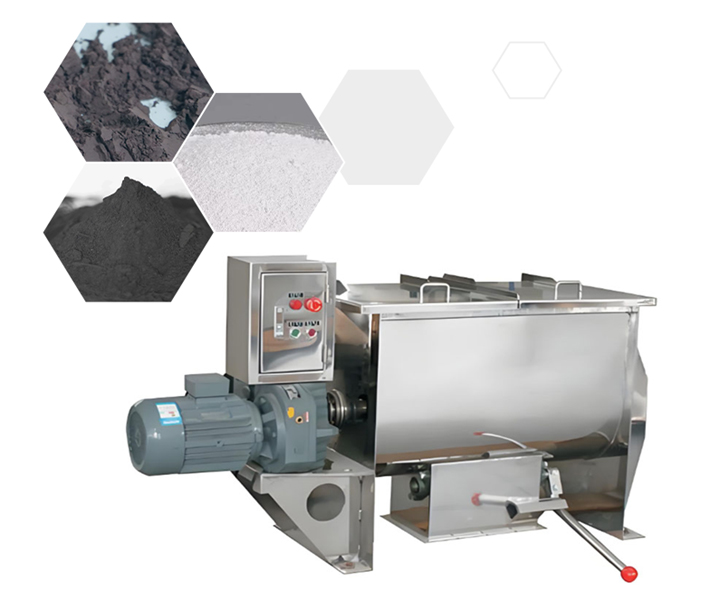
 Email
Email